
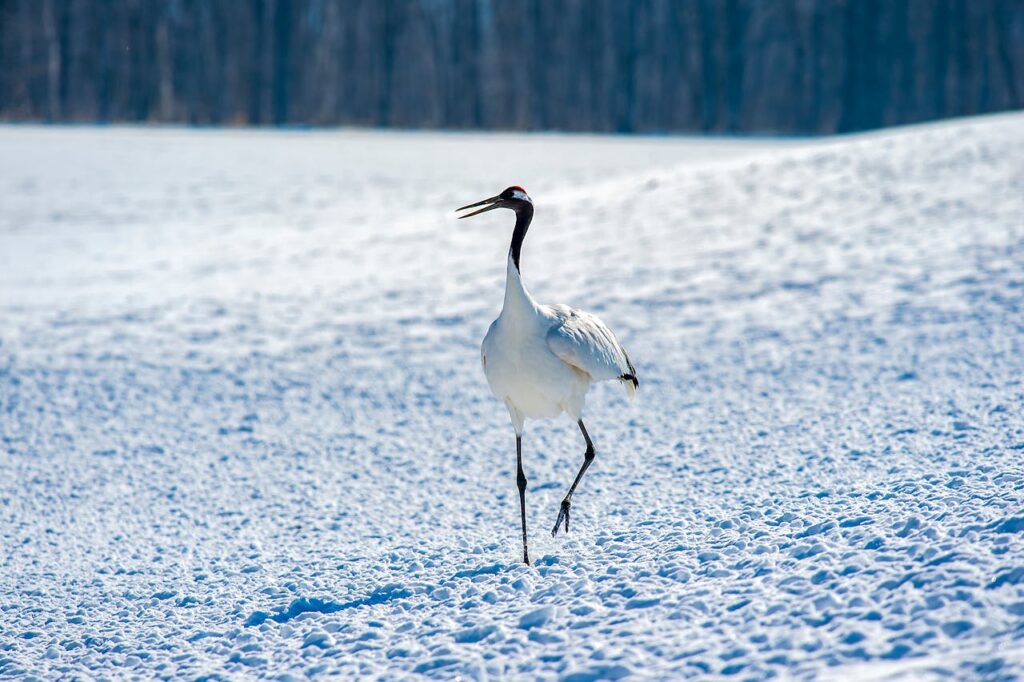
Hokkaido is that kind of place where nature does not merely exist alongside human life but actively reminds you who arrived first and who, ultimately, holds more patience.
Japan’s northernmost island sits at the edge of the country’s geography and, for most of its history, at the edge of its consciousness too. While Kyoto was composing poetry and Edo was building an empire of commerce and culture, Hokkaido was doing something far older and far less negotiable: being wild.
That wildness is still there. And understanding how it survived tells you everything about why this island deserves more than a line in your itinerary.
Before Japan, There Were the Ainu
To understand Hokkaido, you must first forget everything you know about Japan.
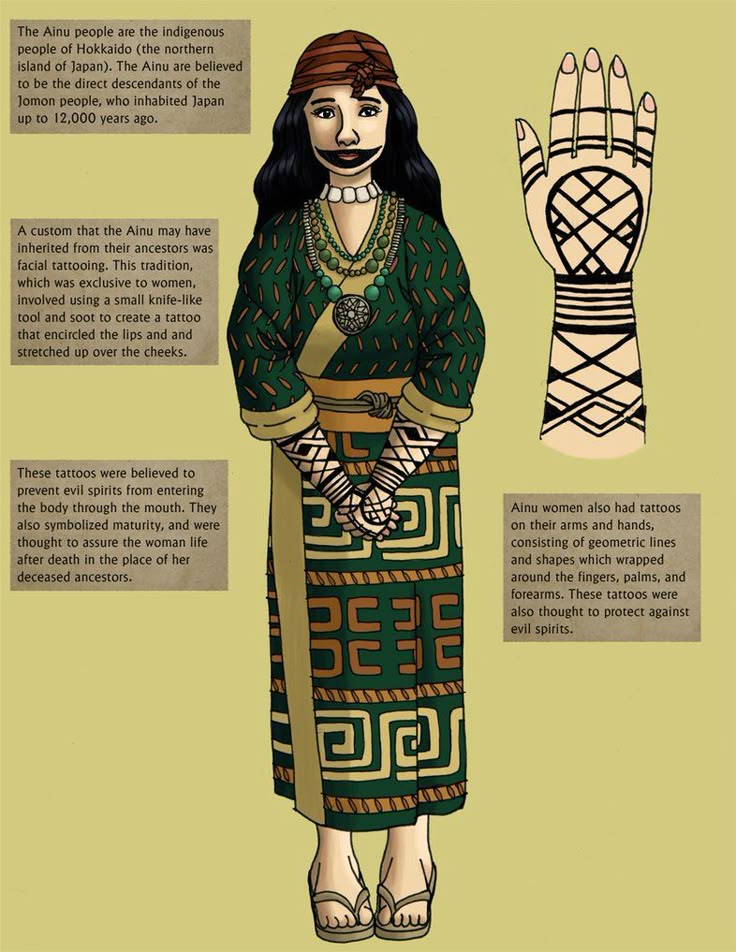
The people who lived on this island for thousands of years before the first Japanese settler arrived were not Japanese. They were the Ainu, people of extraordinary depth whose origins remain one of anthropology’s most debated questions. The Ainu had no writing system, but they had something arguably more powerful: a living oral tradition that encoded the natural world into every story, song, and ceremony they practised.
Their cosmology was built on the concept of kamuy, spirits that inhabited everything. The bear was the most sacred kamuy of all, considered a god who had chosen to visit the human world wearing an animal’s body. The owl brought wisdom. The salmon brought life. The fire kept the memory.
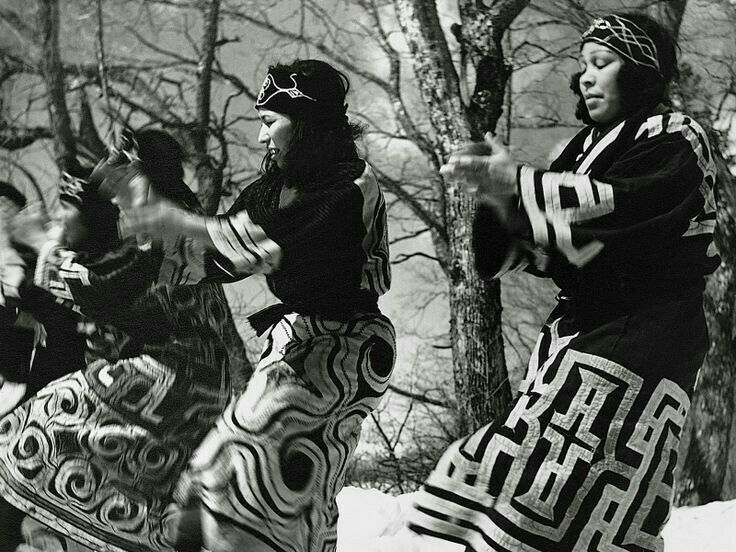
The Ainu did not own the land. The land, in their understanding, owned itself. They hunted, fished, gathered, and built with a precision calibrated over millennia to take only what the island could replenish. Their embroidered robes, geometric patterns in deep indigo and white, carried protective spirits woven into every stitch.
They called their island Ainu Mosir. The land of humans. A quiet, confident name for people who understood exactly where they stood in the order of things.
The Japanese Arrival: A Slow Erosion
The Japanese knew of Hokkaido, which they called Ezo, long before they decided to do anything serious about it. For centuries, it existed at the northern edge of awareness: a cold, forested place of uncertain size, inhabited by people whose customs were strange and whose land was not yet worth the trouble.
That changed in the fifteenth and sixteenth centuries when Japanese traders established a foothold in the south of the island. The Matsumae clan was granted dominion over trade with the Ainu, and what followed was a slow, commercially driven transformation of the relationship between the two peoples.
The Ainu traded furs, salmon, and dried goods. They received rice, sake, and iron in return. On the surface, it looked like an exchange. Beneath the surface, it was dependency, and the Ainu understood this before most of their traders were willing to say it plainly.
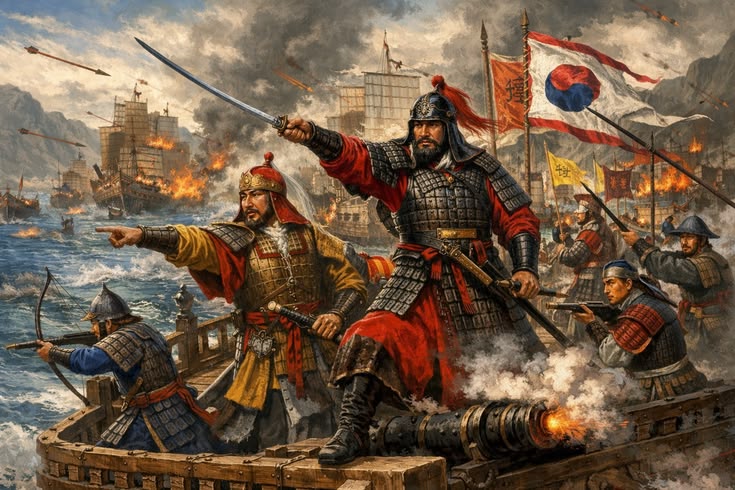
Tensions erupted most dramatically in 1669 in what became known as Shakushain’s War. Shakushain was an Ainu chieftain of remarkable intelligence and political clarity who united multiple Ainu clans, groups that had their own long histories of rivalry, under a single resistance against Japanese commercial exploitation. His forces achieved early victories that shook the Matsumae clan badly.
The Japanese response was not a military victory in the traditional sense. It was a peace negotiation, and a poisoned one. Shakushain was invited to a celebration of the new peace and was killed there, along with his senior commanders. The resistance collapsed. The Ainu absorbed the lesson with the bitterness that betrayal always carries.
But the story did not end there. It rarely does.
The Meiji Era: When Japan Decided to Build the North
For two centuries after Shakushain, Hokkaido drifted in a kind of colonial limbo, claimed but not fully occupied, exploited but not yet transformed. Then, in 1868, everything changed.
The Meiji Restoration rewrote Japan’s relationship with itself and with the world. A feudal nation decided, almost overnight, to become a modern industrial power. And to do that, it needed resources, territory, and a northern buffer against Russian expansion that was creeping steadily through Sakhalin and the Kuril Islands.
Hokkaido was the answer to all three.
The Meiji government established the Kaitakushi, the Hokkaido Development Commission, in 1869 and renamed Ezo with its new Japanese identity. What followed was one of the most aggressive colonisation programmes in modern Asian history, remarkable largely because it happened so quietly that the rest of the world barely noticed.
American agricultural experts were imported to design farming systems suited to the cold climate. German engineers planned the infrastructure. The city of Sapporo, built almost from scratch, laid out on a grid system inspired by American cities, rising from forest and marshland in the space of a single generation. By 1880, it had government buildings, breweries, universities, and ambitions.
Meanwhile, the government labelled the Ainu as “Former Aborigines,” a bureaucratic phrase carrying an entire colonial logic. Authorities absorbed their traditional lands, restricted or eliminated their hunting and fishing rights, and forced children into schools where speaking Ainu was forbidden.
The oral tradition that had survived thousands of years began to fracture under the pressure of a single generation’s policy decisions.
It was not unique. It was not even unusual by the standards of nineteenth-century colonisation elsewhere in the world. But it was devastating, and the Ainu people carried that devastation quietly into the twentieth century.
The Twentieth Century: War, Recovery, and Reinvention
Hokkaido’s twentieth century was shaped by two forces that had little to do with its own desires: the ambitions of Imperial Japan and the aftermath of its defeat.
The island became a crucial agricultural and industrial base for a country that was feeding an empire and then rebuilding from its ruin. The coal mines of Yūbari powered Japan’s industrial expansion. The farmlands of the Tokachi plain fed populations that cities could not sustain alone. The fishing industry off Hokkaido’s coasts produced volumes that shaped national diets.
When Japan surrendered in 1945, the Soviet Union moved swiftly to occupy the Kuril Islands, a chain that curves northeast from Hokkaido’s tip. The northernmost four islands, known in Japan as the Northern Territories, remain disputed to this day. Every map in a Japanese school marks them as Japanese. Every map produced by Russia does not. The negotiations have never concluded. The fishermen working in those waters remember what was lost.
Hokkaido rebuilt alongside the rest of Japan, but on its own terms. The coal mines eventually closed, and Yūbari’s collapse became a byword for post-industrial decline so severe that the city declared bankruptcy in 2007. But agriculture deepened. Dairy farming transformed the central plains into a landscape that Japanese visitors found startling in its openness, more like northern Europe than Japan. The lavender fields of Furano, planted originally for perfume production, became one of the country’s most photographed seasonal spectacles.
And then came the snow.
The Snow That Changed Everything
Niseko had been a mountain for ten thousand years before anyone thought of it as a resort.
The volcanic peak of Mount Yōtei presides over the Niseko range with the quiet authority of a geographical fact. The snow that falls here is a particular kind of snow, light, dry, powder so fine that it is technically classified differently from snow that falls even a hundred kilometres south. It accumulates in quantities that make skiers from Europe and North America reconsider everything they thought they knew about what a mountain could offer.
Australian travellers discovered Niseko in the early 2000s when budget airlines made Sapporo accessible from Melbourne and Sydney. What followed was a transformation so swift and thorough that it became a case study in destination development. Hotels rose. Property prices climbed to levels that surprised even Tokyo analysts. Restaurants arrived from Hokkaido’s extraordinary local larder, wagyu beef, sea urchin pulled from cold Pacific waters that morning, dairy products of a richness the warmer south cannot replicate.
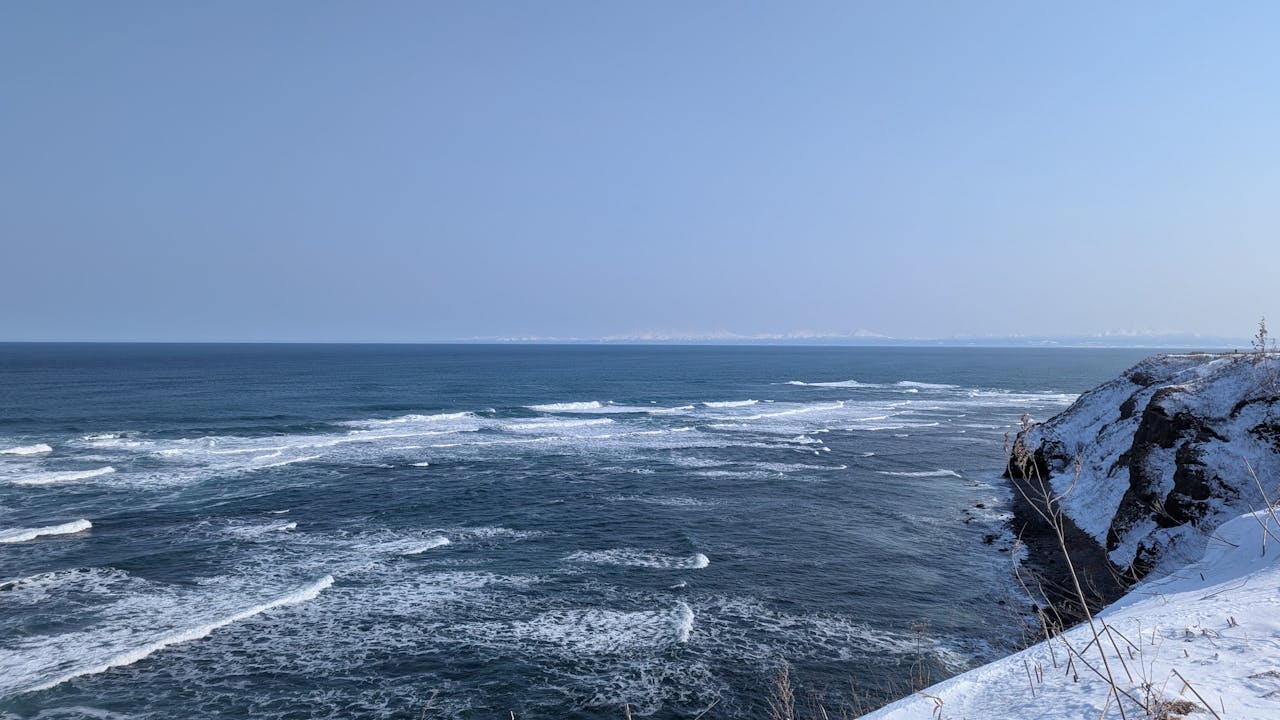
Niseko today is cosmopolitan in a way that few mountain resorts anywhere achieve. But step beyond the resort boundaries, into the towns that surrounded the mountain before the visitors arrived, and Hokkaido reasserts itself, quiet, spacious, a little untamed around the edges.
The Ainu Renaissance
In 2019, Japan passed the Ainu Promotion Act, the first national legislation to formally recognise the Ainu as an indigenous people. It was late, and the Ainu said so plainly. But it opened doors that had been sealed for generations.
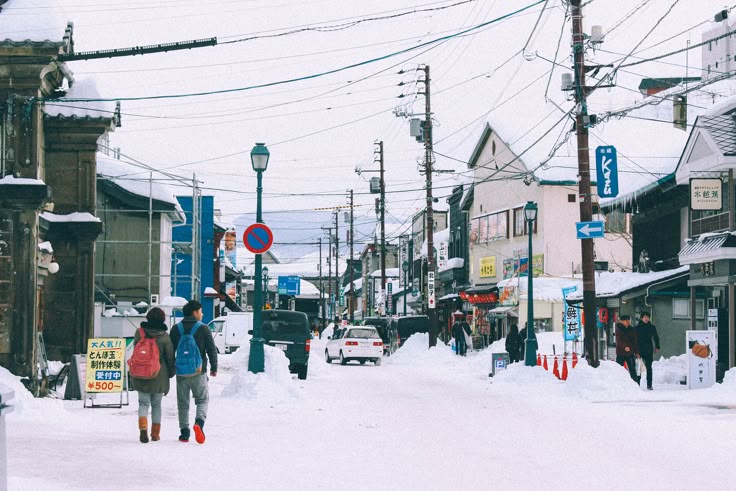
The following year, the Upopoy National Ainu Museum opened on the shores of Lake Poroto in Shiraoi, a facility of genuine ambition and cultural seriousness. The museum does not present the Ainu as a historical exhibit. It presents them as a living culture, because they are. The language is being taught again, which was nearly extinguished by a century of suppression. The embroidery patterns are being learned by young people who are choosing identity over assimilation. The ceremonies are being performed, the stories retold, the kamuy acknowledged.
It is not a complete redemption. Nothing so clean exists in history. But it is a beginning, and beginnings carry their own particular weight.
What Hokkaido Asks of You
Every great destination carries a question for the traveller willing to listen for it.
Hokkaido’s question is this: what do you do with a place that has survived everything, from colonisation, industrial decline, geopolitical dispute to centuries of erasure, and still offers you powder snow in February, lavender in July, the best seafood of your life in October, and silence vast enough to hear yourself think in every season?
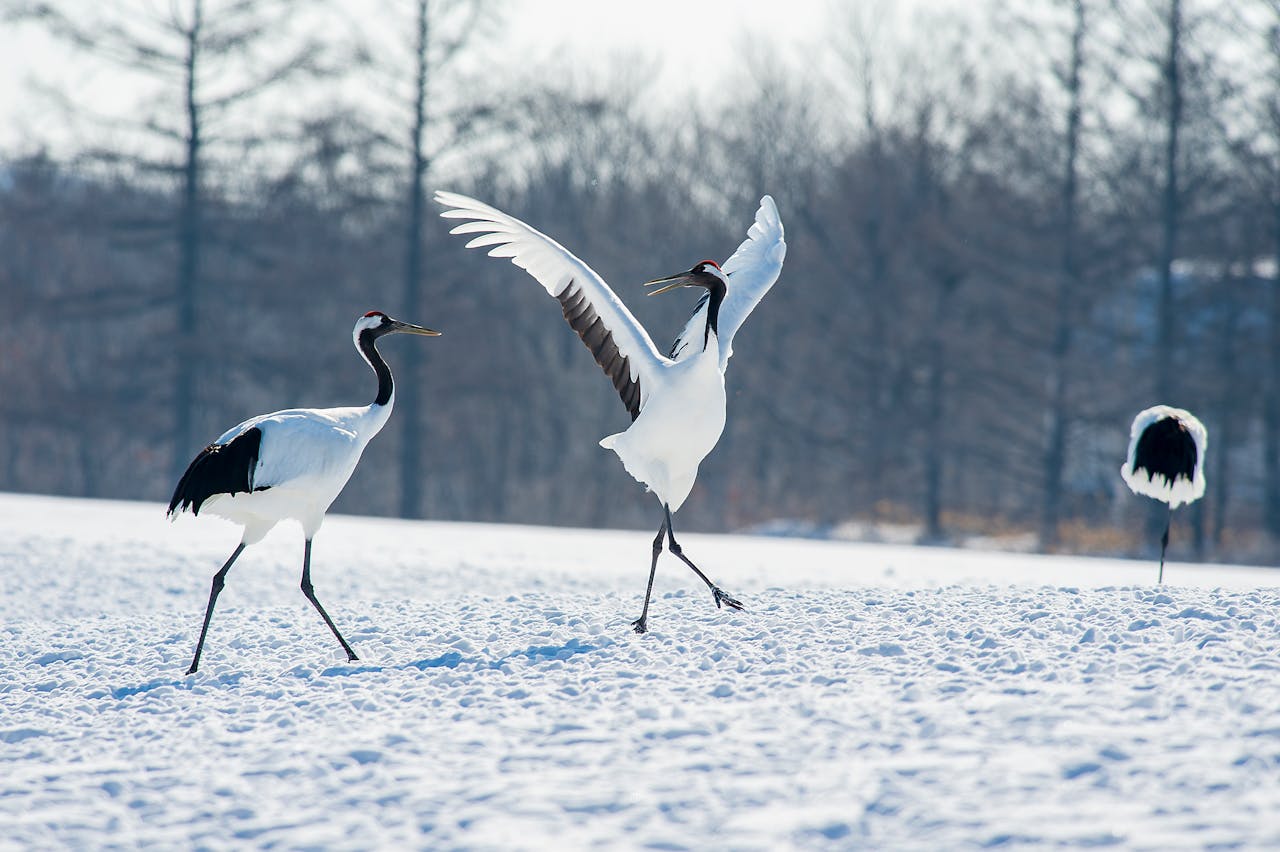
The answer is simple. You come, you slow down. Eat the sea urchin and watch the cranes on the frozen marshes of Kushiro, and hike the volcanic calderas of Akan and stand at the edge of Shikotsu Lake at dawn when the water is so still and clear it holds the sky inside it like a secret.
Visit Upopoy and learn the name of something the world almost lost. Stay longer than you planned and leave quieter than you arrived.
That is what Hokkaido does and has been doing for ten thousand years. The island was never meant to be tamed, and the travellers who understand that are the ones who leave most changed.
At The Safar Travels, we plan Hokkaido journeys that go beyond the ski slopes and into the island’s extraordinary depth, its history, its wilderness, its food, and its people.
Winter powder or summer wildflowers. Cultural immersion or pure wilderness. A week or a lifetime, we will help you find exactly what Hokkaido has been keeping for you.
Reach out to The Safar Travels. Your safar north begins here.
Subscribe for more such interesting stories

