
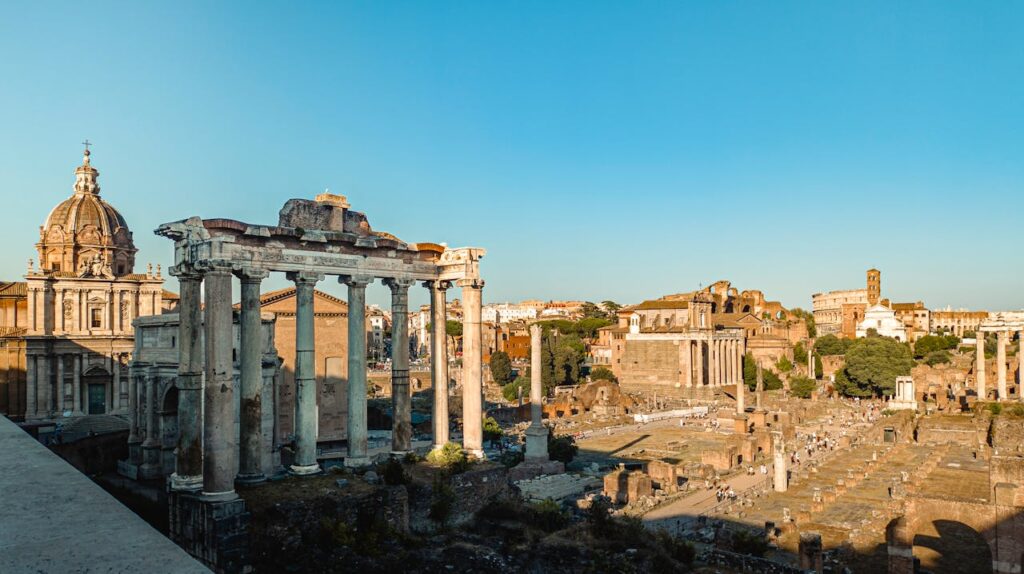
There is a particular silence in places holding secrets of civilizations. Not the eerie type, but the one of stillness, accumulation of centuries. Layered so thickly upon one another that the air itself feels heavier, as though it has absorbed every prayer, every name carved into stone. The ruins of Ancient Europe wait for the one still enough to read stories of their existence beyond just words captured on pages.
Europe holds more of that silence than almost anywhere else on earth. Not because it is the oldest inhabited continent. But because it documented itself obsessively, built with ambition that outlasted the ambitions themselves. Leaving behind a trail of stone, marble, and myth that travellers have been following for centuries without exhausting.
These are not just tourist sites but conversations waiting to unfold.
The Acropolis, Athens, Greece: The Idea That Built the West
Before democracy, before philosophy, before the very concept of the citizen, there was a rock above a city. On that rock, people decided to build something worthy of the gods and of themselves.
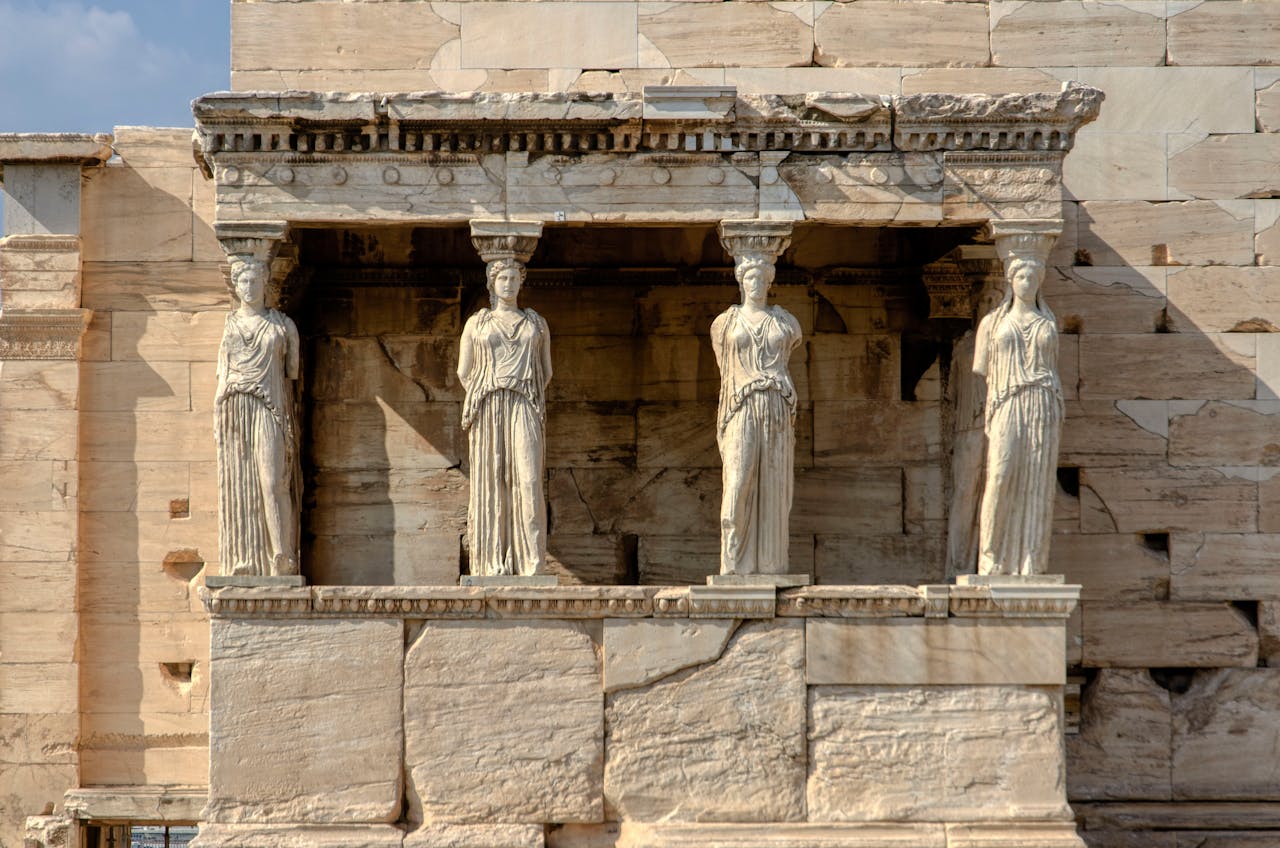
The Acropolis of Athens rises 156 metres above the city and has been continuously significant for over three thousand years. The Parthenon, its crown, built between 447 and 432 BC under the direction of the sculptor Pheidias and the statesman Pericles, was not simply a temple. It was a statement. A civilisation announcing to the world, and to itself, what it believed it was capable of.
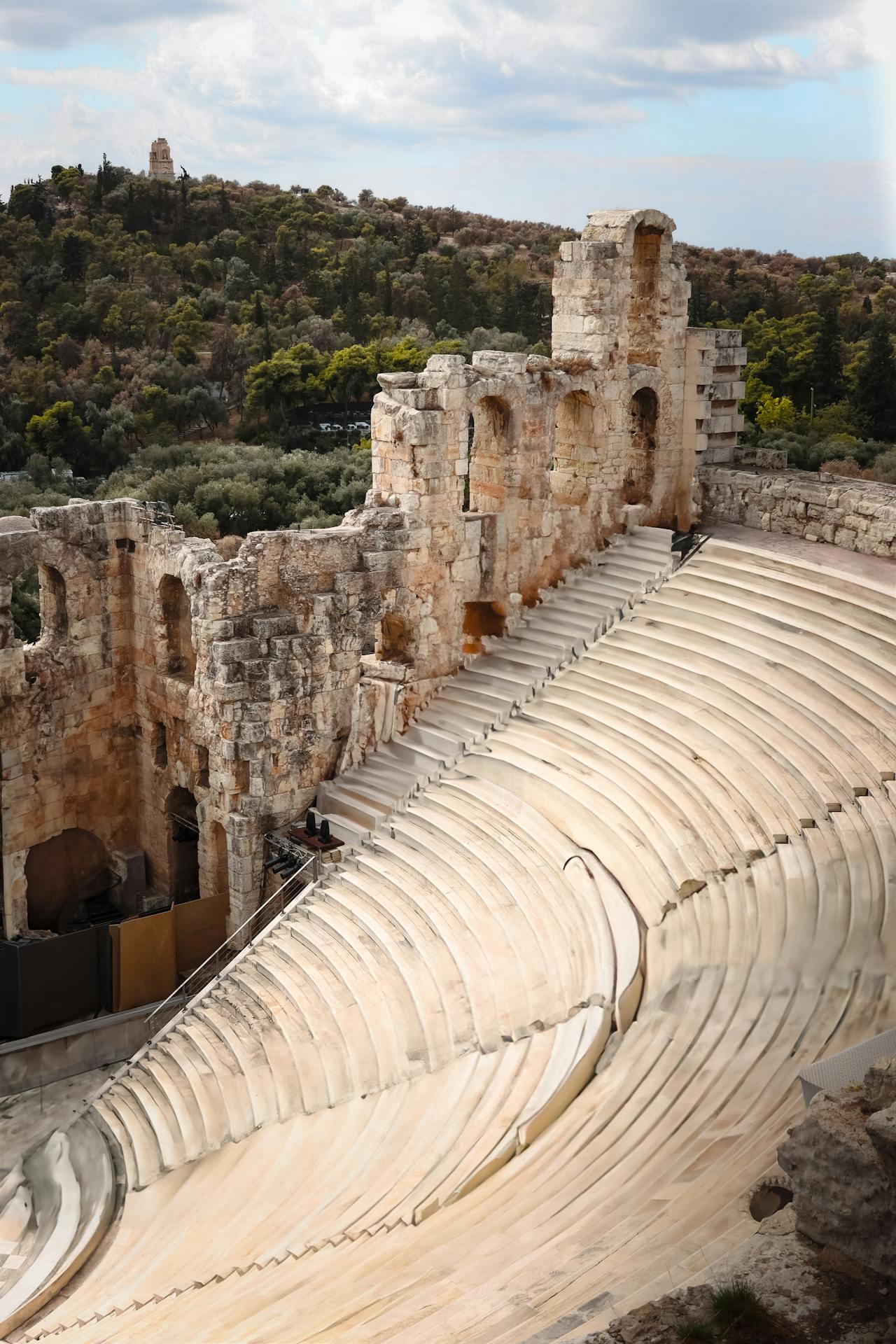
The mathematics embedded in the Parthenon’s construction is still studied. The columns tilt inward almost imperceptibly, a correction for optical illusion. The marble was quarried from Mount Pentelicus and transported twelve miles on wooden carts. The frieze that once ran around the exterior showed the Panathenaic procession, ordinary Athenian citizens rendered in stone as participants in something sacred.
Much of that frieze now sits in the British Museum. The Greeks have been asking for it back since 1983.
Standing on the Acropolis at dawn, before the crowds and heat arrive, with Athens stretching below. The Aegean glinting in the distance, you understand why this civilisation shaped ideas that the world still debates today. They believed that human beings, at their best, were worth celebrating in marble.
The Colosseum, Rome, Italy: An Empire’s Appetite Made Permanent
Rome did not build the Colosseum to impress visitors. Rome built it to manage its own people.
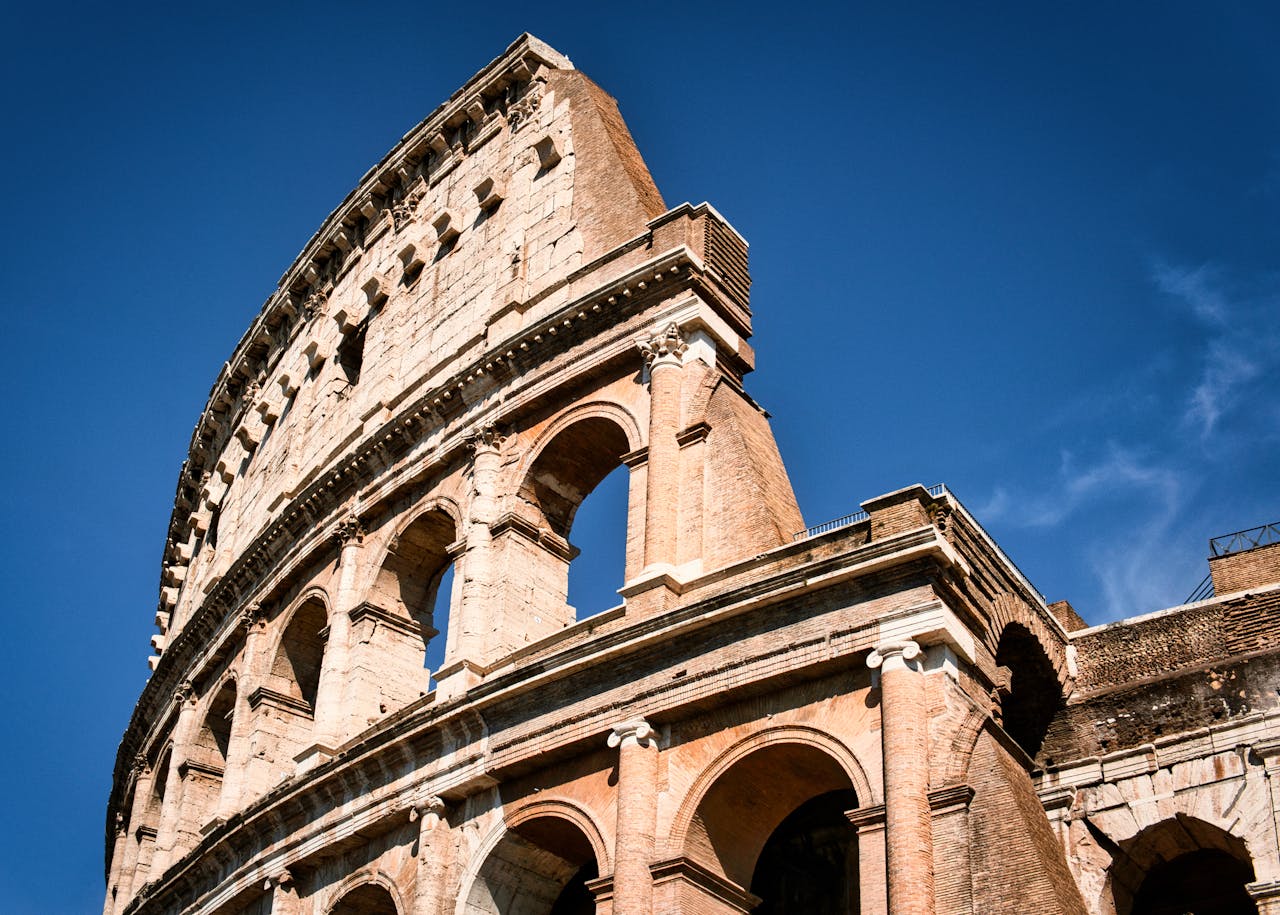
Completed in 80 AD under Emperor Titus, the Flavian Amphitheatre, as it was properly known It could hold between fifty and eighty thousand spectators. The logistics of filling and emptying it were so sophisticated that the entire crowd could exit through its eighty arched entrances in minutes. The Romans called this system the vomitorium, a word that perfectly captures the practical brutality of their engineering philosophy.
The games held inside were not entertainment in the modern sense. They were political theatre, bread and circuses, as the poet Juvenal described it. The twin instruments of keeping a population fed and distracted. Gladiators fought with a professionalism that required years of training. Wild animals were shipped from Africa and Asia at extraordinary expense, and naval battles were staged in a flooded arena. The spectacle was total, relentless, and calculatedly overwhelming.
What remains today is the vast elliptical shell, the exposed underground hypogeum where animals and fighters waited in darkness for the trapdoors above to open. Carries a weight that no photograph adequately prepares you for. It is enormous in a way that feels personal. The arches frame sky and shadow in combinations that change by the hour.
Nearly two thousand years after its construction, it remains the largest amphitheatre ever built. That fact alone is worth sitting with for a moment.
Stonehenge, Wiltshire, England: The Question Nobody Has Fully Answered
Some places derive their power from what is known. Stonehenge derives its power almost entirely from what is not.
Construction began around 3000 BC, making it older than the Pyramids of Giza, and even older than the Acropolis. The people who began building it left no writing, no clear record of intention, no name by which history might call them.
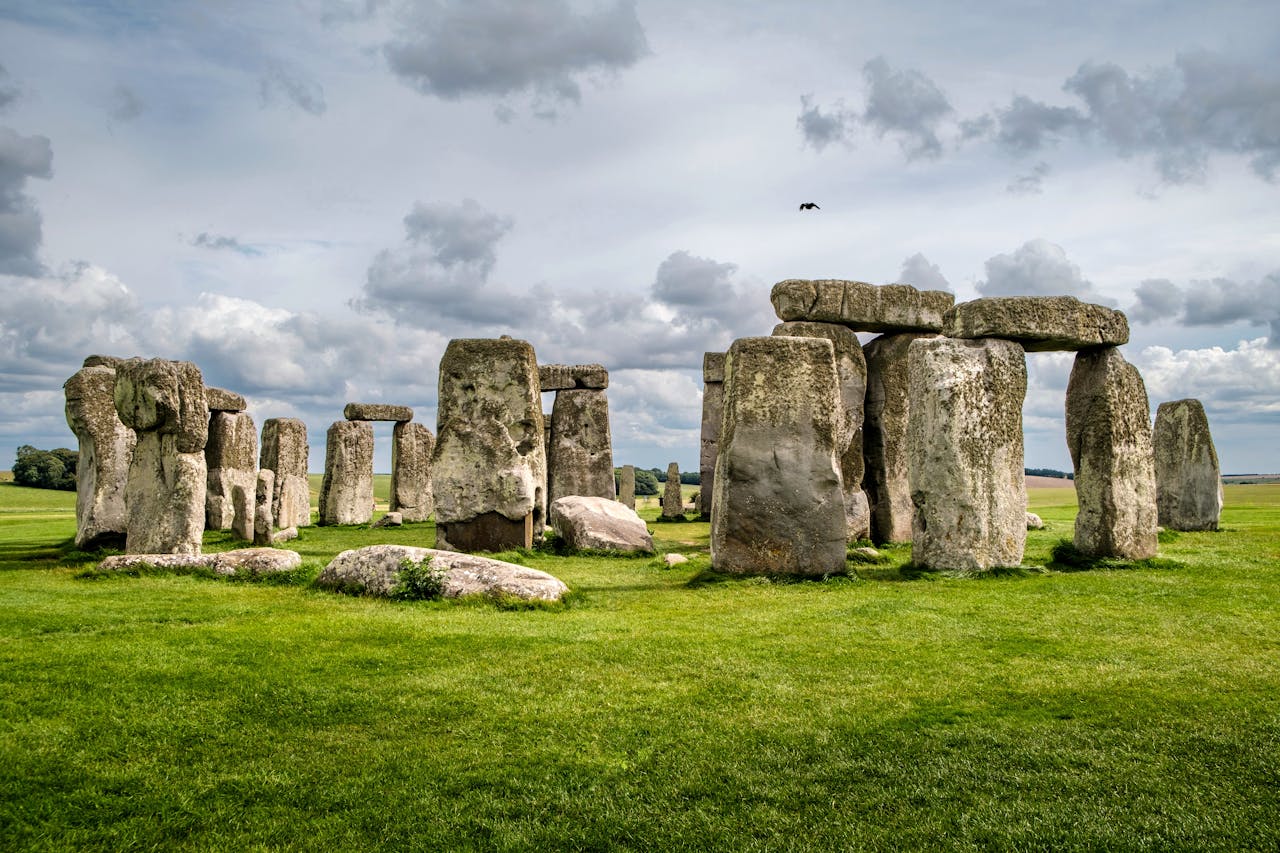
What they left instead were stones. Sarsen sandstone blocks weighing up to twenty-five tonnes, transported from Marlborough Downs twenty-five miles away using methods that remain debated. Bluestones weighing up to four tonnes were somehow carried from the Preseli Hills in Wales, over 150 miles away. The precision of their placement, aligned with the midsummer sunrise and midwinter sunset, suggests an astronomical knowledge challenging everything we know.
What was Stonehenge for? Theories accumulate. A burial site, certainly, given the cremated remains found nearby. A healing sanctuary, possibly, given evidence of people travelling long distances in poor health to reach it. A calendar, almost certainly, given its solar alignments. A temple, probably, in whatever sense that word applied to people for whom the boundary between sacred and practical was different from ours.
The most honest answer is that we do not fully know. And that honest uncertainty is precisely what makes standing inside the circle, permitted only on special access visits at dawn or dusk, feel like something more than tourism.
The stones are older than our questions. They will outlast our answers.
Pompeii, Campania, Italy: The City That Stopped in a Single Morning
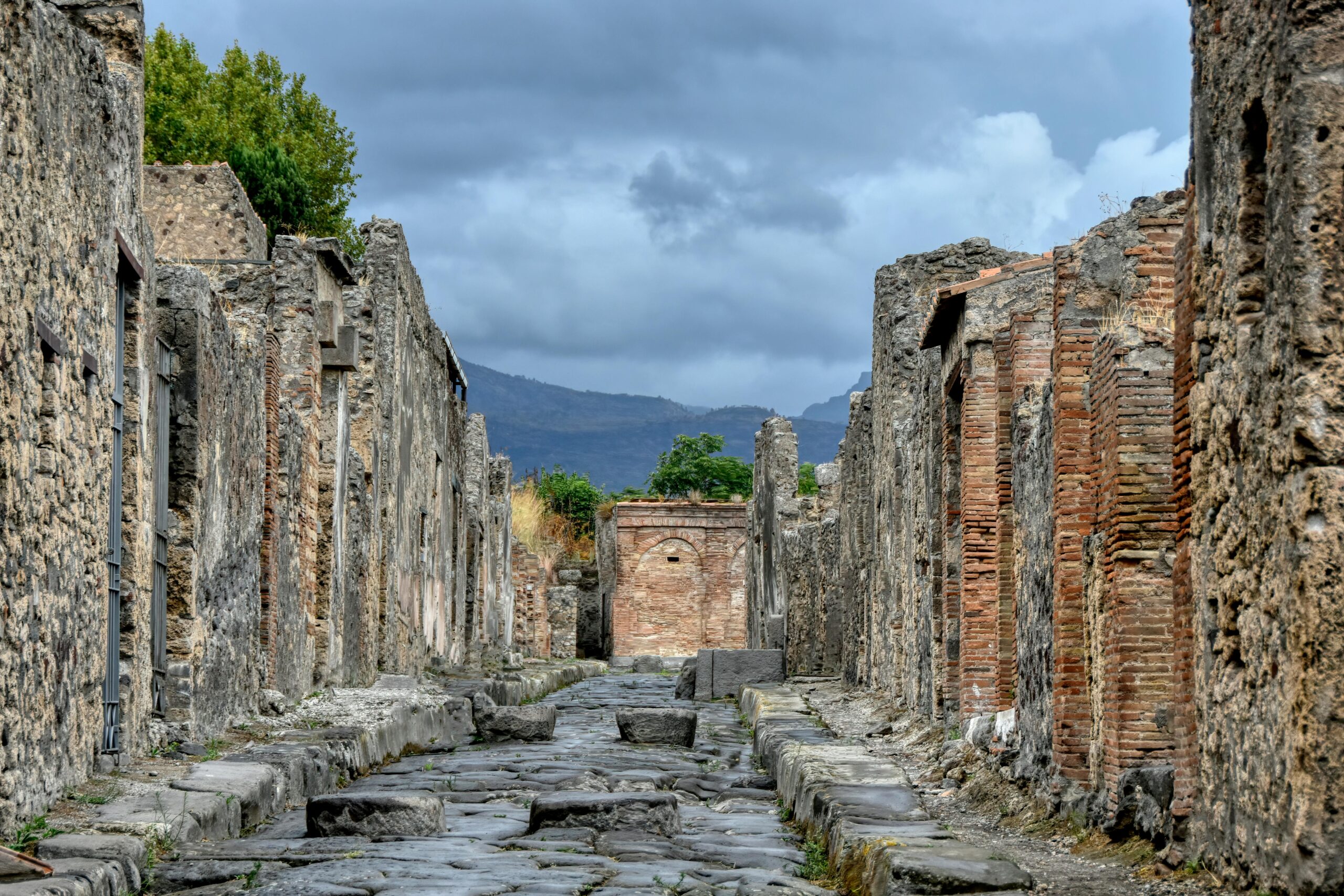
On the morning of August 24th, 79 AD, the residents of Pompeii were going about ordinary business.
Bread baking in the ovens of the forums. Wine is being sold from terracotta jars sunk into the countertops of street bars. Children were in schools. Merchants were opening their shutters. A dog, chained outside a house on the Via dell’Abbondanza.
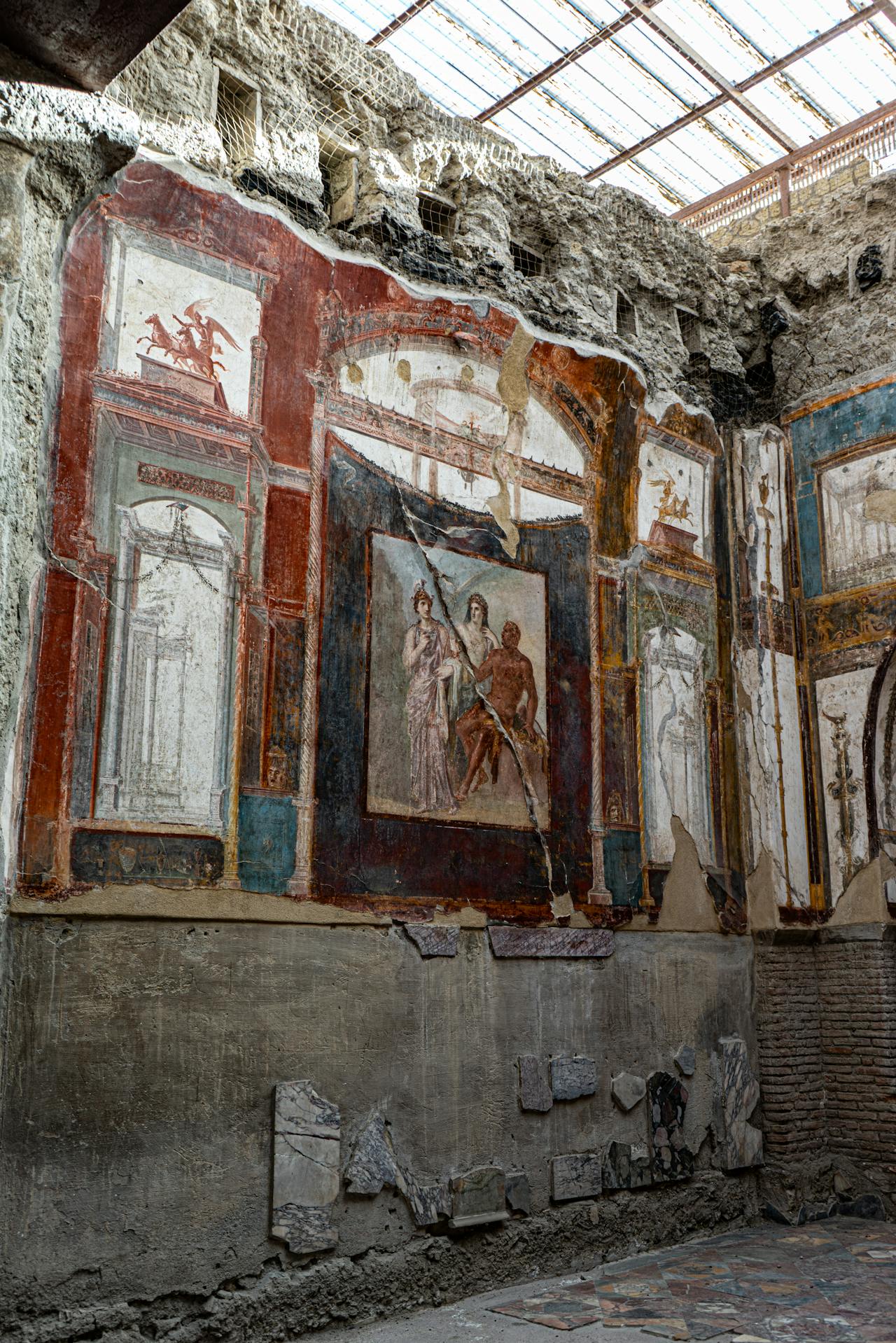
By the following morning, the city was gone, buried under four to six metres of volcanic ash and pumice from Vesuvius, whose eruption Pliny the Younger described from a safe distance with a precision that historians still rely on. Approximately two thousand people died. The survivors walked away from everything they owned and never returned.
What the ash took from the living, it preserved for the future. Pompeii is not a ruin in the conventional sense; it is a freeze frame. The bread is still in the ovens, carbonised but recognisable. The graffiti, some of it remarkably crude, some of it unexpectedly tender, still reads on plaster that the volcano sealed before time could erase it.
The plaster casts of the dead, created by pouring liquid into the voids left by decomposed bodies, are among the most confronting things you will see in any museum. A man shielding his face. A family huddled together.
Pompeii does not let you keep your distance. It refuses the comfort of deep historical remove. These were people, recognisably, uncomfortably people, and they were here, and then they were not.
Dubrovnik’s Old City Walls, Croatia: A Republic That Refused to Kneel
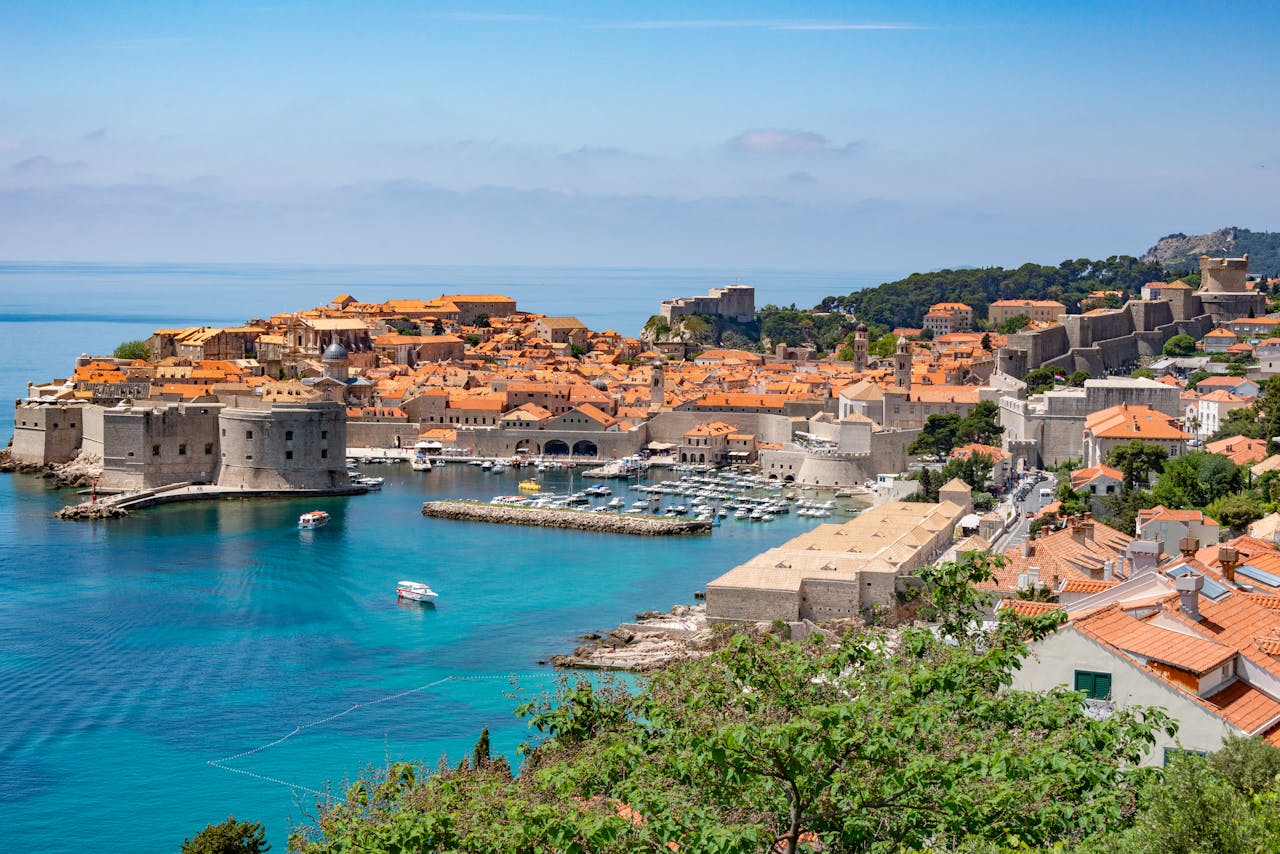
Most people know Dubrovnik from a television series. Fewer know the history that made its walls worth building in the first place.
The Republic of Ragusa, as Dubrovnik was known from the fourteenth century until Napoleon dissolved it in 1808. Surrounded by larger, more aggressive powers, the Ottoman Empire, Venice, the Kingdom of Hungary, Ragusa survived not through military might but through diplomacy so sophisticated it became legendary.
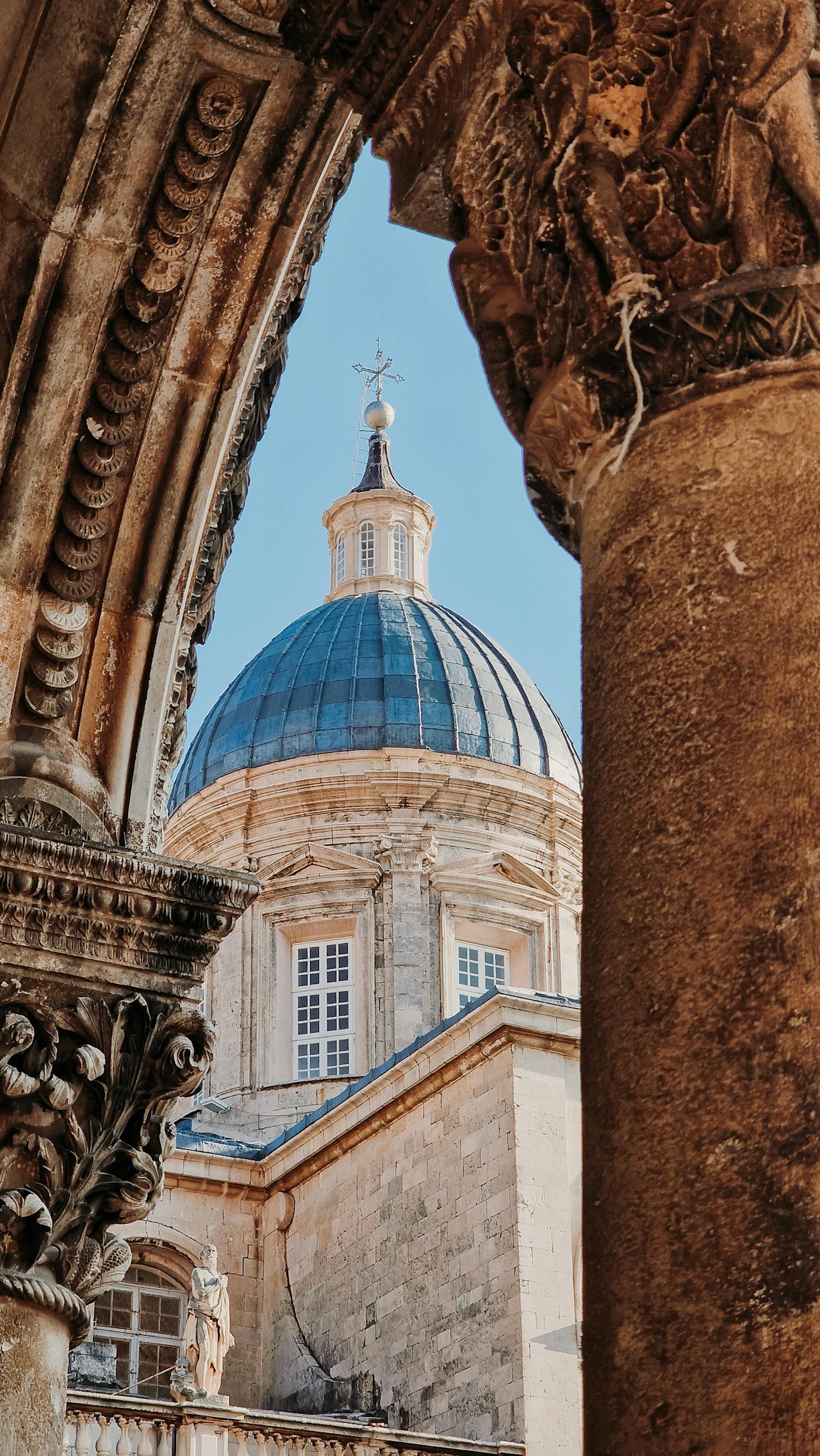
The city paid tribute to the Ottomans. Maintained trade relationships with Venice while carefully never becoming dependent on them, and abolished slavery in 1416, one of the first states in Europe to do so. It established a quarantine system for incoming ships during plague outbreaks that predated modern epidemiology by centuries. It ran a functioning welfare state, with orphanages, hospitals, and a pharmacy that has operated continuously since 1317.
The walls that surround the old city were built to defend all of this. Nearly two kilometres in circumference, up to six metres thick in places, bristling with towers and fortresses. Walking them at sunset, with the Adriatic burning orange below and the terracotta rooftops of the city glowing inside the circuit of ancient stone. You are walking the perimeter of an idea that held for four centuries against extraordinary odds.
The walls survived everything. Almost. The 1991 bombardment during the Yugoslav Wars left visible scars on rooftiles and facades that the restoration has not entirely erased. History that is too clean loses something essential.
The Alhambra, Granada, Spain: Where Mathematics Became Poetry
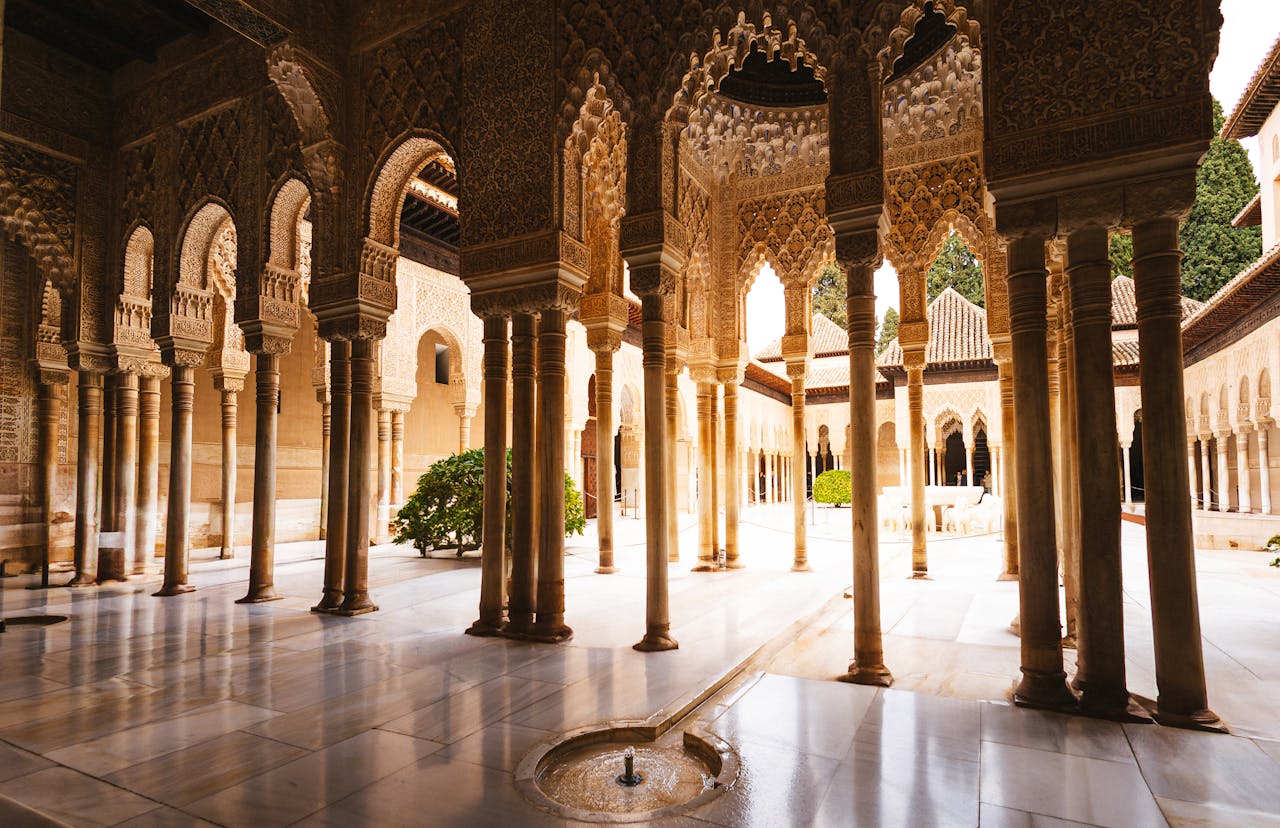
The Nasrid dynasty that built the Alhambra’s most celebrated palaces in the fourteenth century understood something that most rulers do not: that the highest expression of power is beauty.
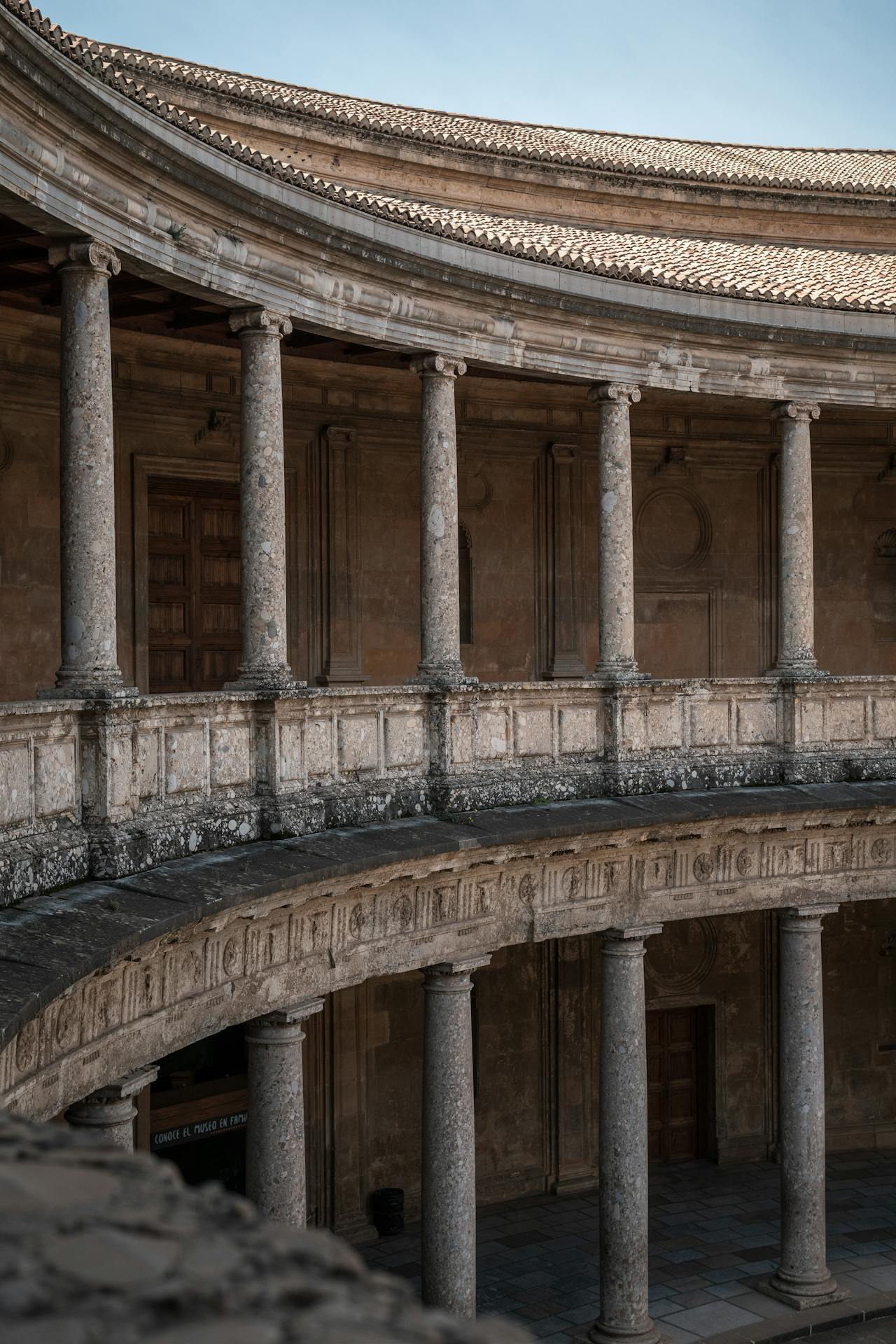
The palace complex that crowns the hill above Granada is the most visited monument in Spain and, on the evidence of the experience it provides, one of the most extraordinary interiors in human architectural history. The Court of the Lions, a fountain at the centre of twelve marble lions supporting a basin, surrounded by 124 slender columns and carved stucco that dissolves into geometric infinity, was built with a mathematical precision that overlaps directly with fractal geometry described by modern mathematics six centuries later.
The Arabic inscriptions that run through every surface like a continuous thought repeat variations of a single phrase: There is no victor but God. It was the motto of the Nasrid dynasty, a statement of humility wrapped in the most breathtaking confidence imaginable.
The Alhambra fell to Ferdinand and Isabella in 1492, the same year they funded Columbus and expelled the Jews from Spain in a single convulsive year of history. The Catholic monarchs were so struck by what they had conquered that they added their own palace alongside it rather than tearing it down. Even victory, apparently, recognised what it was standing in front of.
The light inside the Nasrid Palaces changes every hour. Book the early morning slot. Arrive before the crowds. Let the geometry work on you slowly. It rewards patience with something close to revelation.
What Ancient Europe Is Really Offering You
Not museums or backdrops for photographs. They are invitations to stand inside the evidence of what human beings have always been capable of. To build with intention, when they organise around beauty and belief. The desire to leave something behind that matters.
That is what the oldest places do. That is why they are worth every mile of the journey to reach them.
At Safar Travels, we plan European journeys that go beneath the surface, into the history, the meaning, and the moments that most tours walk straight past.
Whether you want a week through the ancient Mediterranean or a sweeping journey across civilisations from Athens to Granada, this safar to Ancient Europe will change the way you see the world.
Reach out to The Safar Travels today. Ancient Europe is waiting, and it is far more alive than you think.
Subscribe for more such interesting stories

