
Asia does not reveal itself all at once. It unfolds slowly through lantern-lit streets in forgotten towns, mountain passes wrapped in clouds, island shores touched by turquoise waters, and ancient temples carrying centuries of silence within their walls. To travel Asia is to move through contrasts so vast that every border feels like entering another world entirely.
It is not one place. It is a thousand worlds pressed together, ancient and modern, sacred and wild, heartbreakingly beautiful and quietly humbling. To travel Asia with intention is to realise that the planet is far more generous than anything you were ever told.
These are not the places every guidebook lists. These are the escapes that stay carved into you long after your bag is unpacked and your routine resumes.
Luang Prabang, Laos: Where Time Forgot to Move
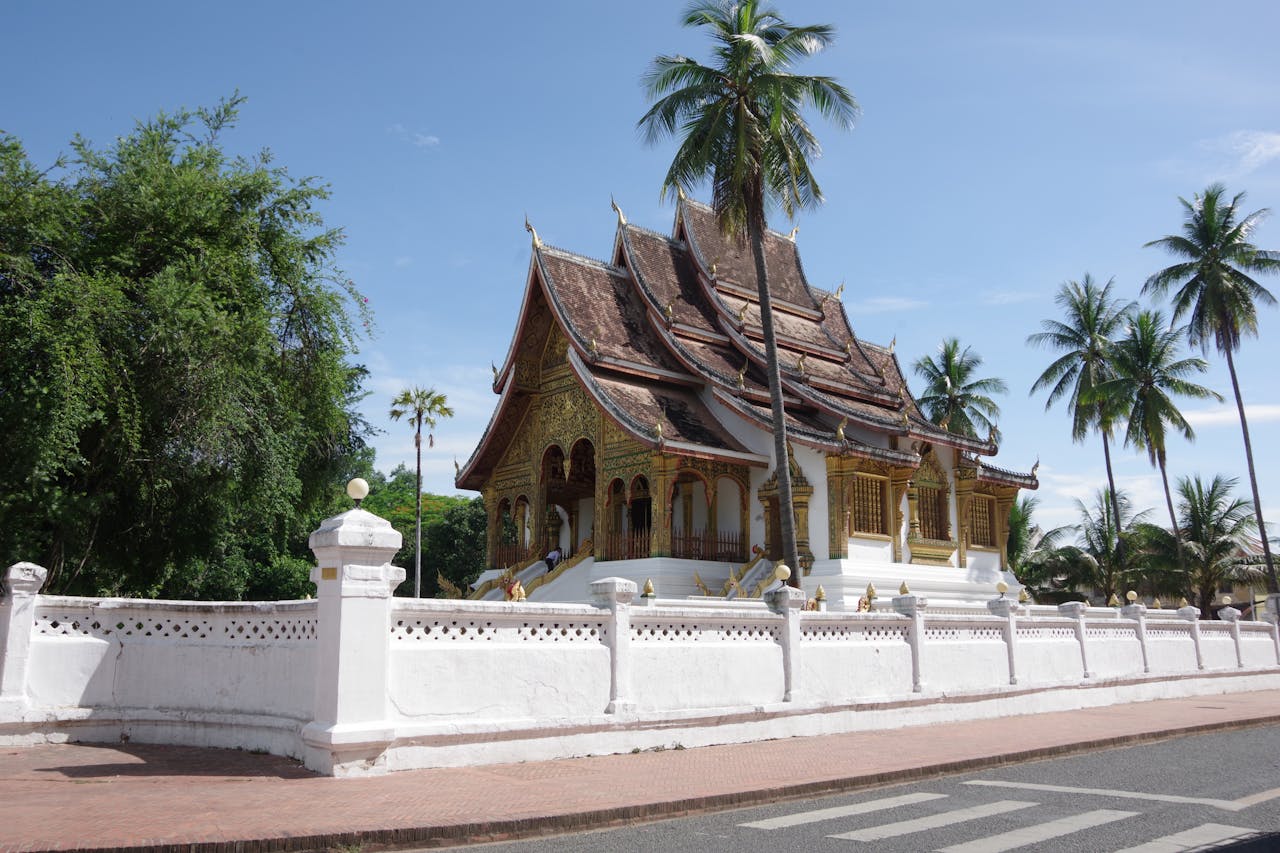
Some cities rush; Luang Prabang refuses.
Tucked between the Mekong and the Nam Khan rivers in northern Laos, this small royal town operates on a frequency entirely its own. Saffron-robed monks walk barefoot through fog at dawn, collecting alms, a ritual called tak bat that has continued every single morning for centuries without interruption. You can watch it happen if you rise early, stand still, and resist the instinct to reach for your phone.
That restraint is what Luang Prabang asks of you. And what it gives in return is extraordinary.
The French colonial architecture sits beside gilded Lao temples in a combination that should feel jarring but somehow feels inevitable. The night market unfolds every evening along the main street, with silk, spice, and lantern light. The Kuang Si waterfalls, thirty kilometres south, cascade through turquoise pools ringed by jungle. The water is a colour that exists nowhere else, too vivid to look accidental, too natural to look designed.
Luang Prabang does not compete for your attention. It simply exists, fully and quietly, and waits for you to slow down enough to receive it redefining everything we know about travelling in Asia.
Cappadocia, Turkey: A Landscape From Another Imagination
Turkey sits at the edge of Asia, and Cappadocia sits at the edge of reason.
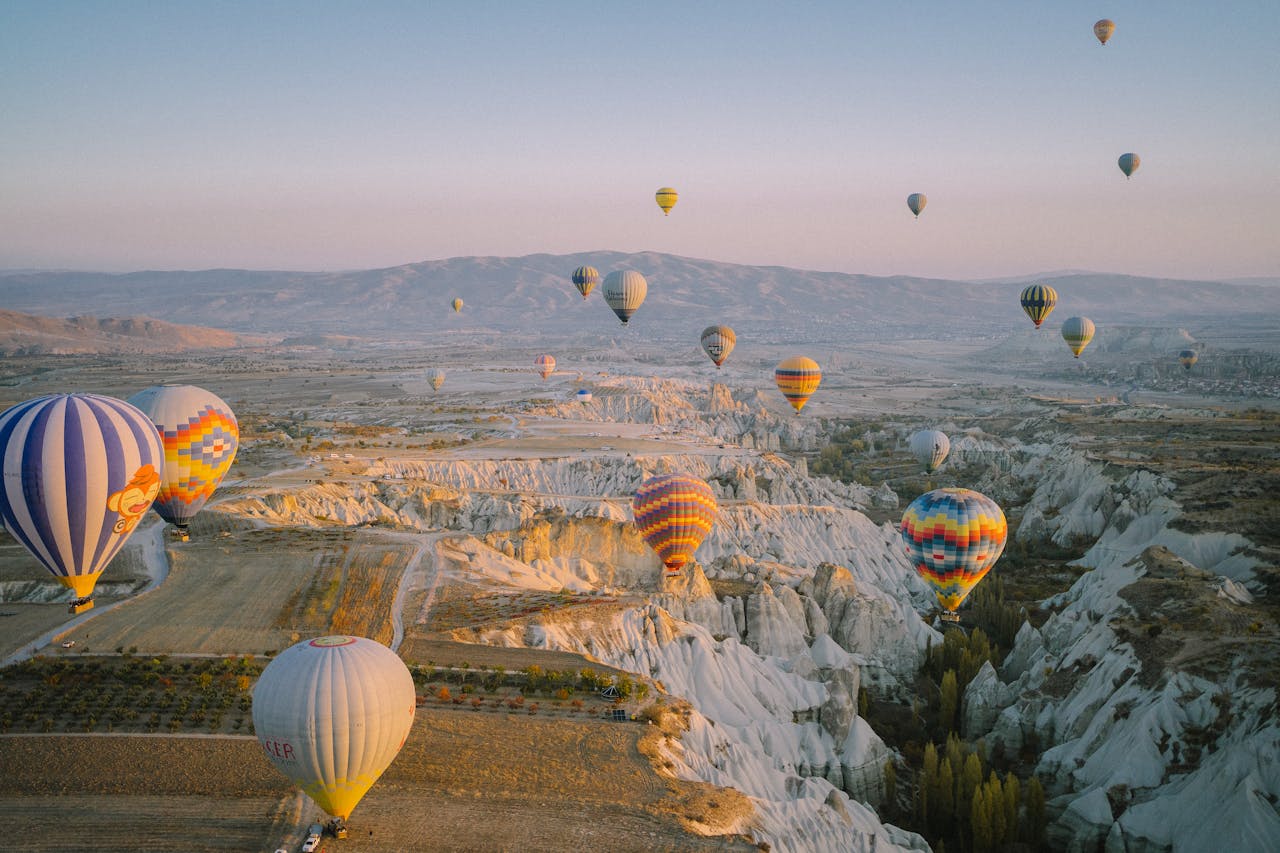
The landscape here, carved by volcanic eruptions millions of years ago and then shaped further by centuries of human hands, looks less like Earth and more like a planet that chose beauty over practicality. As a result, thousands of fairy chimneys rise from the ground like ancient sentinels, while valleys of rose-coloured rock gradually shift through shades of amber and violet as the light changes throughout the day. Meanwhile, cave hotels carved directly into the stone create spaces that feel both prehistoric and unexpectedly luxurious at the same time.
Then there is the balloon flight at dawn. Although many places in the world become victims of their own popularity, this experience remains genuinely transcendent rather than merely touristic. As you rise silently above the valleys while the world below still sleeps in darkness, the first light of sunrise slowly begins to spill across the horizon. Soon, hundreds of balloons glow against the pale morning sky, turning the entire landscape into something almost unreal. Ultimately, there are certain moments in travel that quietly rearrange your inner world, and without question, this is one of them.
Underground cities carved deep into the earth, rock-cut churches with thousand-year-old frescoes, the haunting open-air museum of Göreme, Cappadocia, is not simply a destination. It is an argument for the limitlessness of what human beings and geological time can create together.
Kyoto, Japan: The Art of Paying Attention
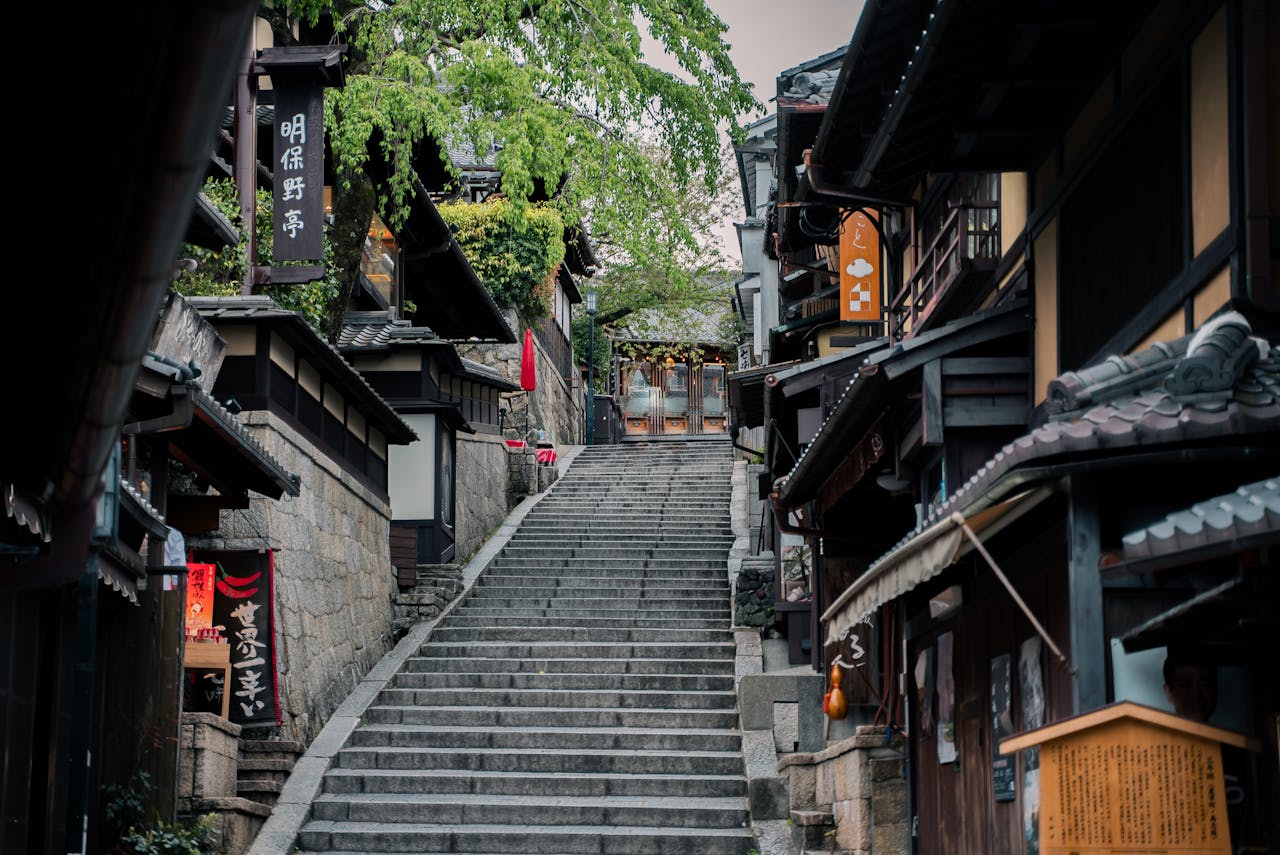
Japan teaches you to notice things.
Not the large, obvious things, because those are easy. Instead, Japan teaches you to notice the particular sound of rain falling against a paper lantern. Likewise, the way a garden is raked is not merely meant to be looked at but, rather, to be understood. Even the silence between two words in a conversation often carries more meaning than the words themselves.
It is in Kyoto, however, where this education reaches its highest form. The city served as Japan’s imperial capital for over a thousand years. Meanwhile, Fushimi Inari, with its thousands of torii gates winding through a forested mountain, feels just as arresting at six in the morning. When you are alone with it, as it is overwhelming at noon when the crowds inevitably arrive. Therefore, go early. More importantly, go slowly. Let the gates frame you rather than the other way around.
Similarly, the Arashiyama bamboo grove whispers and sways in something that feels neither entirely sound nor entirely silence. At the same time, the geisha districts of Gion preserve an aesthetic discipline that took centuries to perfect and, consequently, cannot be rushed or replicated elsewhere.
Then, of course, there is the food. Kaiseki, the Japanese multi-course dining tradition, is not simply a meal. Rather, it is a quiet conversation between the chef and the season, conducted entirely through taste, texture, and visual restraint. In fact, a single kaiseki dinner in Kyoto can feel worth the entire flight on its own.
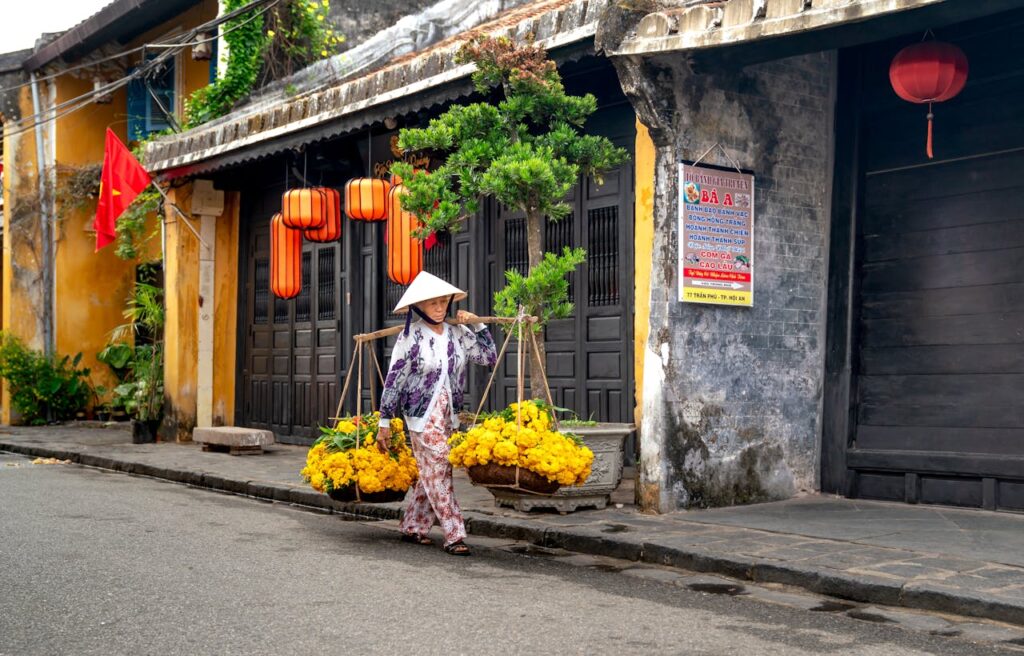
Hội An, Vietnam: The Town That Wears Its History Lightly
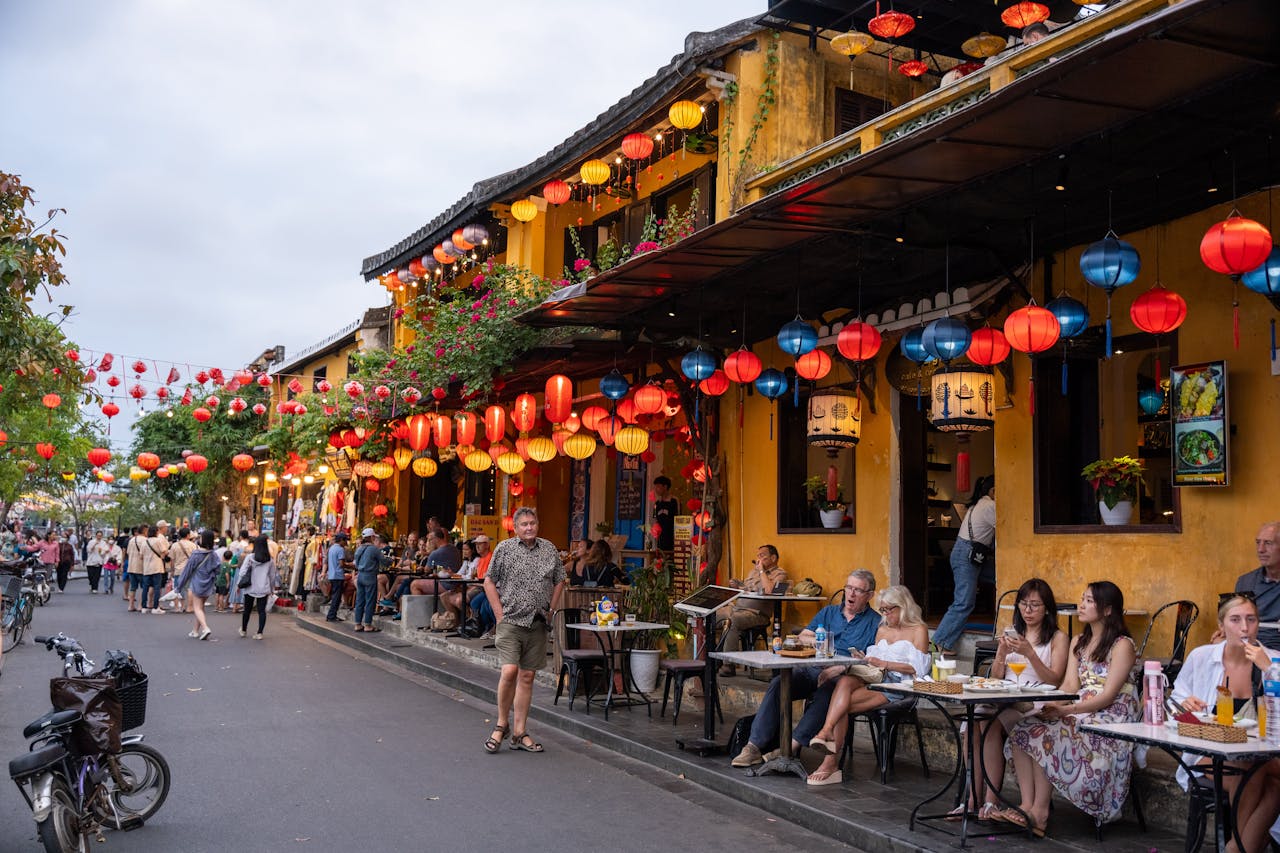
Every town has a history. Hội An wears its history on its walls, in its lanterns, and in the way its streets curve toward the river as if pointing at something important just around the bend.
This ancient trading port in central Vietnam absorbed merchants from China, Japan, Portugal, and the Netherlands over centuries, and the architecture reflects every conversation that resulted. Chinese assembly halls, Japanese covered bridges, and colonial shophouses, all compressed into a walking town that takes less than an hour to cross on foot but far longer to truly see.
At night, the old town turns gold. Electric lights are dimmed, silk lanterns strung between buildings take over, and the Thu Bon River fills with floating candles released by visitors making wishes. It sounds like something a travel brochure invented. It is entirely real and entirely beautiful.
The surrounding region gives the town depth. My Son, a cluster of ancient Hindu temples built by the Cham civilisation, sits in a jungle valley an hour away and sees a fraction of the visitors it deserves. The beaches of An Bàng are broad, unhurried, and backed by good restaurants rather than resort walls.
Hội An has been discovered. However, it has not been ruined. Instead, something genuine remains at its centre, and travellers who look beyond the tailor shops quickly discover it.
Bhutan: The Country That Measures Happiness
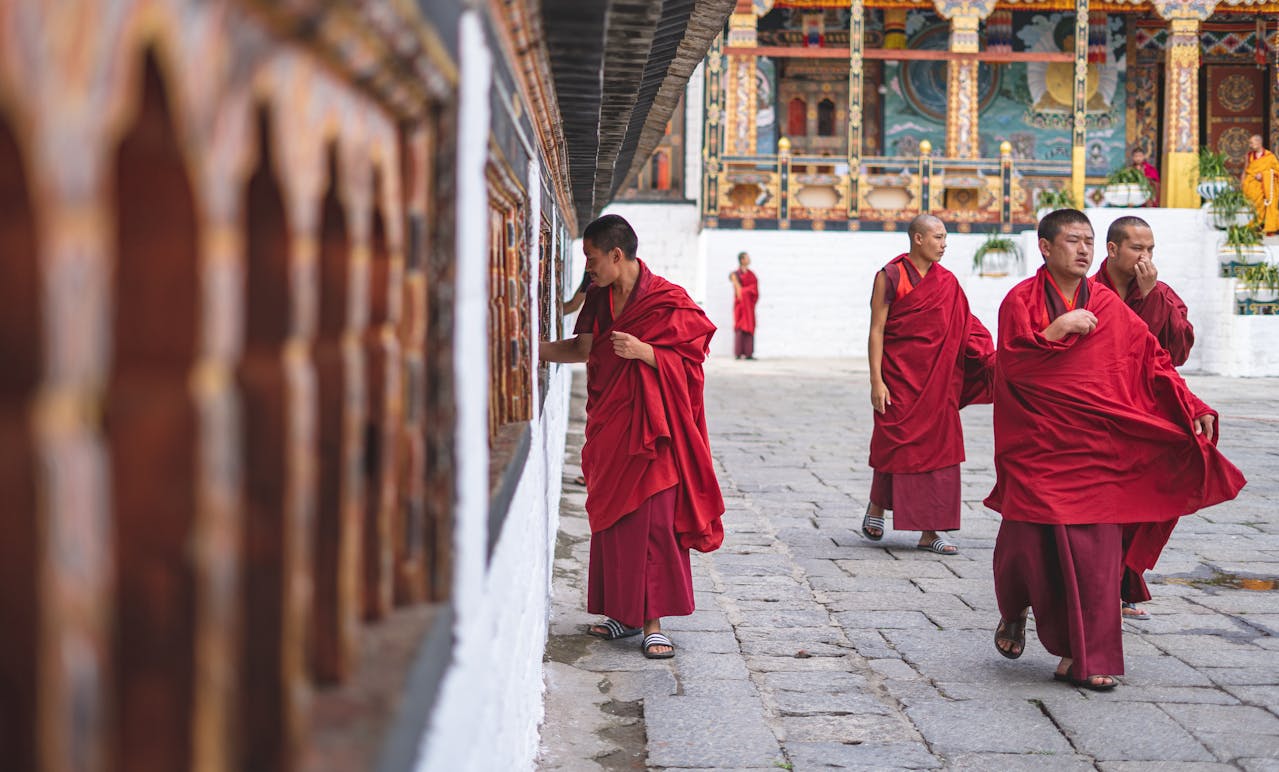
Bhutan decided long ago that the size of an economy is not the right measure of a nation’s success. It chose instead to measure Gross National Happiness, a framework built around culture, environment, governance, and living standards together. This was not a tourism campaign. It was a governing philosophy.
Entry requires a minimum daily spend, which keeps volumes low and impact minimal. What you receive in return is a Himalayan kingdom that has maintained its forests, its architecture, its monasteries, and its pace of life with a coherence that more open countries simply cannot manage.
The Tiger’s Nest Monastery, Paro Taktsang, clings to a cliffside at 3,000metres above sea level. It may be the single most dramatic piece of architecture in Asia. The hike to reach it takes three to four hours through pine forest, prayer flags, and increasingly spectacular views. When the monastery finally appears, white and gold against grey rock and open sky. It arrives like a reward for something you did not know you were being tested on.
Bhutan does not want to be visited quickly. It asks for time, attention, and a willingness to move at the rhythm of a place that has never been in a hurry.
The Maldives: Where the Ocean Becomes the Destination
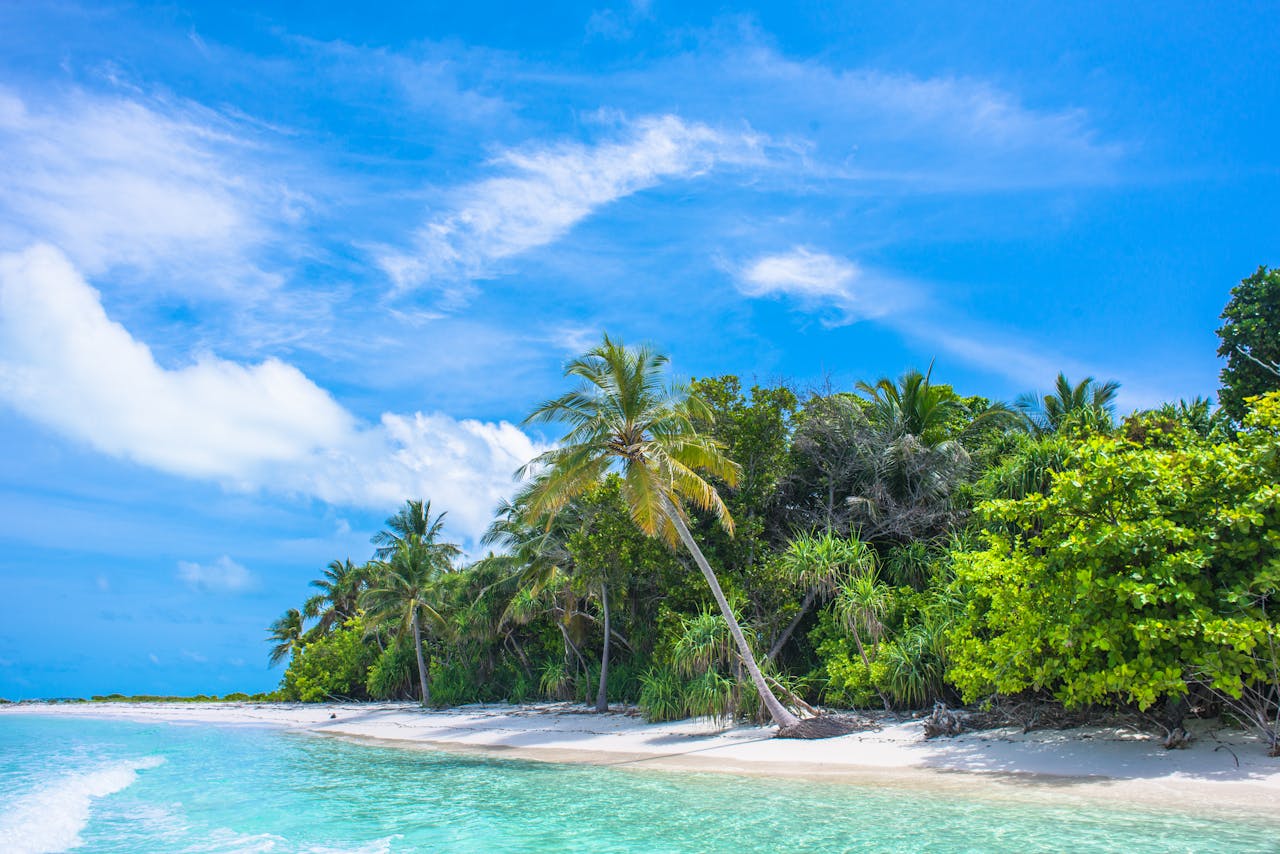
Some places exist primarily to remind you that the earth is extraordinarily beautiful and that you have been spending too much time indoors.
The Maldives is one of them.
Twelve hundred coral islands scattered across the Indian Ocean, most of them uninhabited, all of them ringed by water of an impossible clarity. The house reef system here supports more marine life per square metre than almost anywhere on the planet. Manta rays move through the water with the unhurried confidence of creatures that have never needed to rush. Whale sharks appear at certain times of year with the reliability of old friends returning.
Above the water, the silence is total. No traffic, no construction, no noise that wasn’t there a thousand years ago. Overwater bungalows, a concept that the Maldives essentially invented, place you directly above, with glass floors that let you watch the ocean floor shift below.
It is, in the most unambiguous sense, paradise. And like all true paradises, it is more valuable for being finite. The Maldives is sinking, slowly, incrementally, irreversibly. To visit now is not indulgence. It is bearing witness to something the world cannot afford to lose.
Georgia: Asia’s Greatest Secret
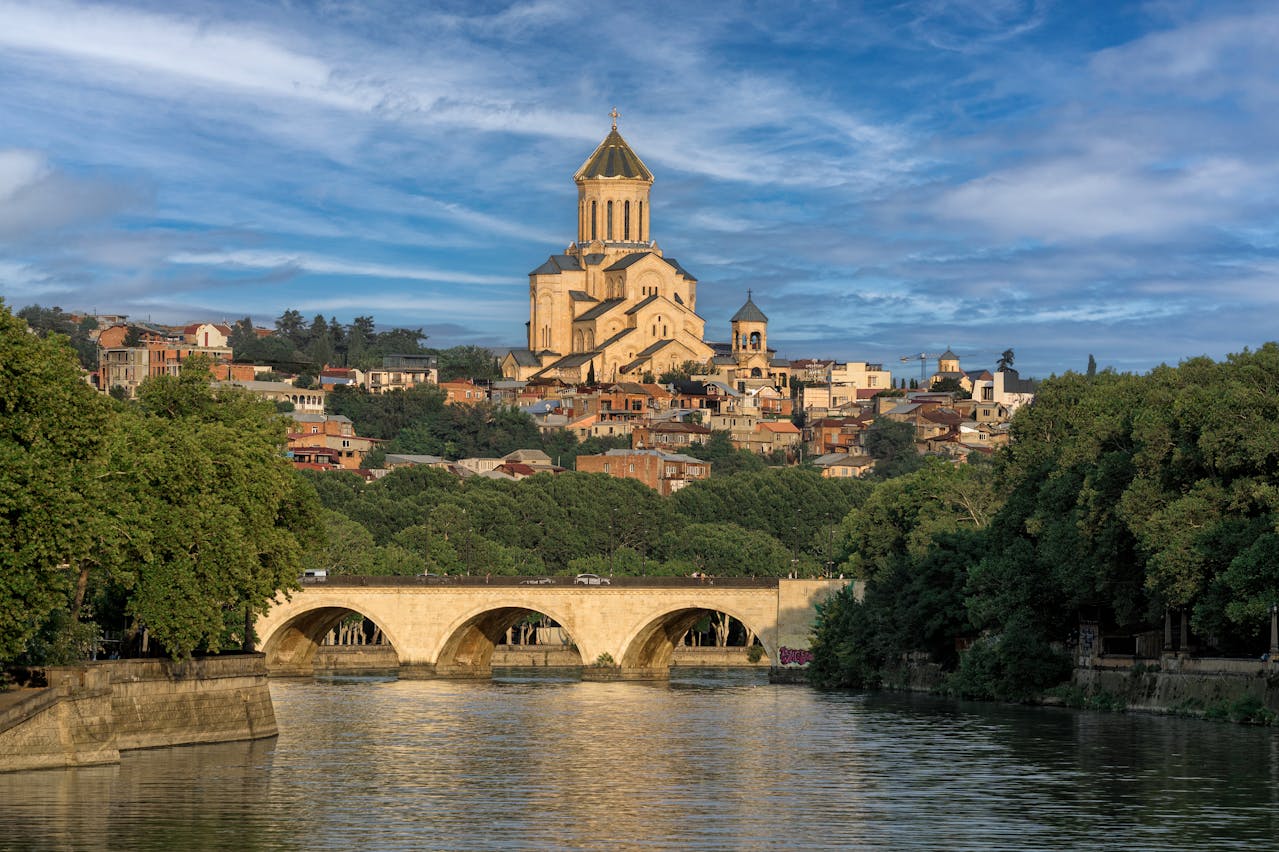
Most people place Georgia mentally in Europe. The country sits at the crossroads of both continents and belongs fully to neither and completely to itself.
The Caucasus Mountains in the north hold some of the most dramatic hiking terrain anywhere on earth, medieval watchtowers rising from green ridgelines, glaciers visible from stone villages that have stood for a thousand years. Kazbegi and the Gergeti Trinity Church, perched on a hill above the valley at 2,170 metres, is the kind of image that makes experienced travellers go quiet.
Tbilisi, the capital, is a city of extraordinary architectural texture, ornate wooden balconies overhanging narrow lanes, sulfuric bathhouses steaming in ancient neighbourhoods, and a wine culture that predates France’s by thousands of years. Georgian hospitality has no equivalent in the European tradition. A guest, the culture holds, is a gift from God. You feel that within hours of arriving.
The wine. The food includes khinkali dumplings, churchkhela, and walnut-stuffed aubergine. The warmth. The mountains. Georgia asks for very little and returns everything.
The Only Rule Worth Remembering
There is a line that belongs to the spirit of every great journey ever taken:
Do not wait until you are ready. You will never be fully ready. The road does not ask for readiness. It asks only that you begin.
Asia does not reward the cautious traveller or the over-planned itinerary. It rewards the person who shows up with curiosity, leaves room for the unexpected, and understands that the best moments of any trip are the ones that were never written in any plan.
These escapes exist. They are waiting. The only question worth asking is which one is calling your name loudest right now.
At The Safar Travels, we believe that to truly travel Asia, experiences should do far more than simply fill an itinerary; instead, they should transform the way you see the world itself. Whether it is watching dawn break over Cappadocia, listening to the profound silence of a Bhutanese monastery, or seeing candlelight drift gently along the rivers of Hội An, every journey carries its own lasting emotion. Therefore, rather than offering ordinary holidays, we carefully craft immersive journeys across Asia that continue to stay with you long after you have returned home.
Your safar begins with a single conversation. Reach out to us and let’s find yours.
Subscribe for more such interesting stories,

