
Festivals of India are often spoken of in grand, familiar terms: Diwali’s lights, Holi’s colours, Durga Puja’s devotion. But beyond these widely celebrated occasions lies another India. Quieter, deeply rooted, and profoundly local. These are festivals that don’t always make it to mainstream itineraries. They are held in small towns, remote valleys, temple courtyards, and community spaces where rituals are not performed for spectacle, but for faith, memory, and continuity.
A Glimpse of India beyond the Calendar, where tradition isn’t just seen, it’s lived. Experiencing them is not just witnessing culture. It is to step, respectfully, into a way of life.
1. Theyyam Festival, Kerala: Where Gods Take Human Form
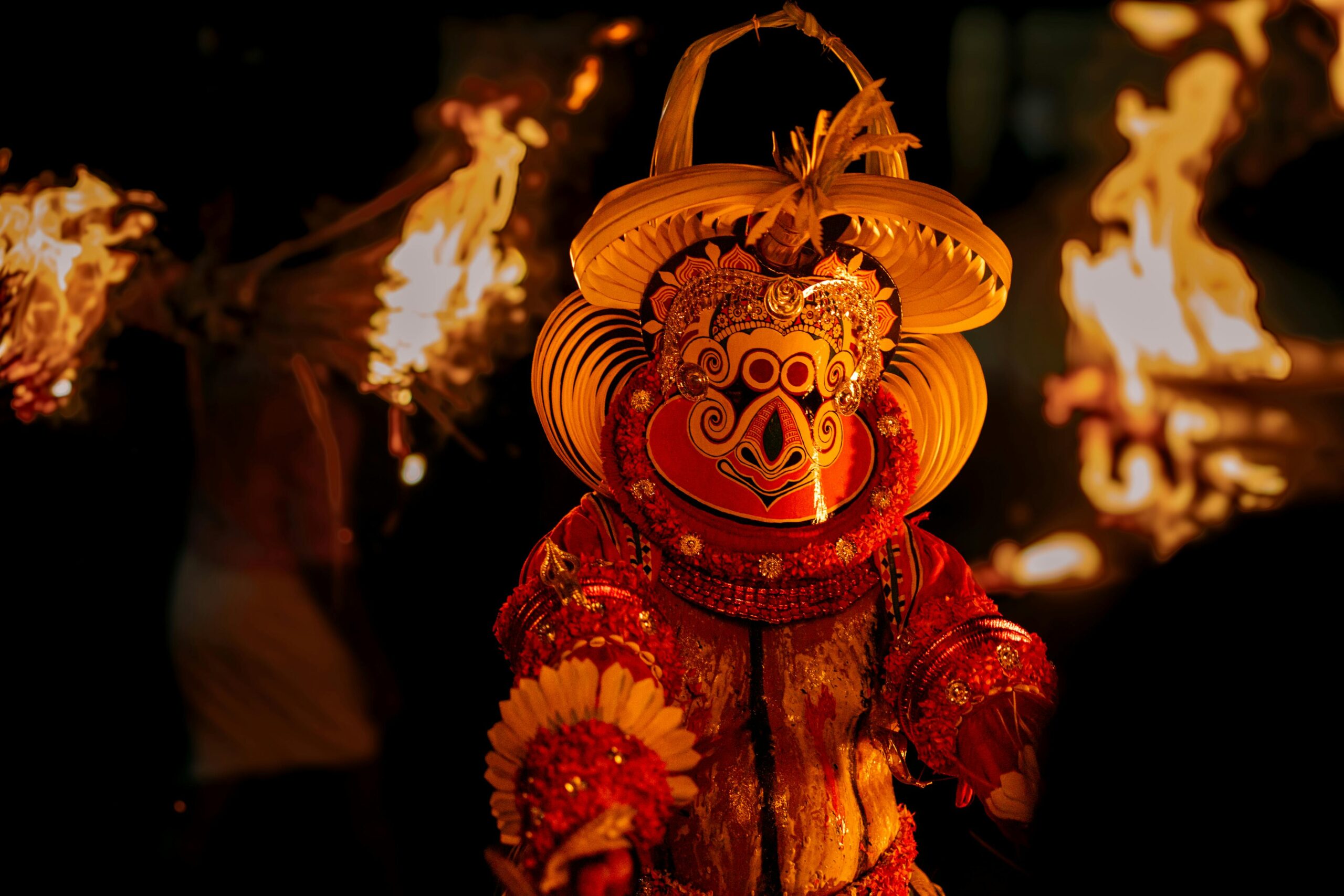
In the northern districts of Kerala, particularly around Kannur, the Theyyam festival unfolds as a powerful ritual performance that blurs the line between human and divine. Men, adorned in elaborate costumes, towering headgear, and intricate face paint, embody deities and ancestral spirits. As the drums intensify and the rituals begin, the performer is no longer seen as an individual but as the deity itself. What makes Theyyam extraordinary is its intimacy. There are no barriers between the performer and the people. Devotees approach, speak, and seek blessings.
It is not a performance. It is belief in motion.
Best Time: October to May | Experience Note: Observe with respect; this is a sacred ritual, not a staged show.
2. Hornbill Festival, Nagaland: A Celebration of Tribal Identity
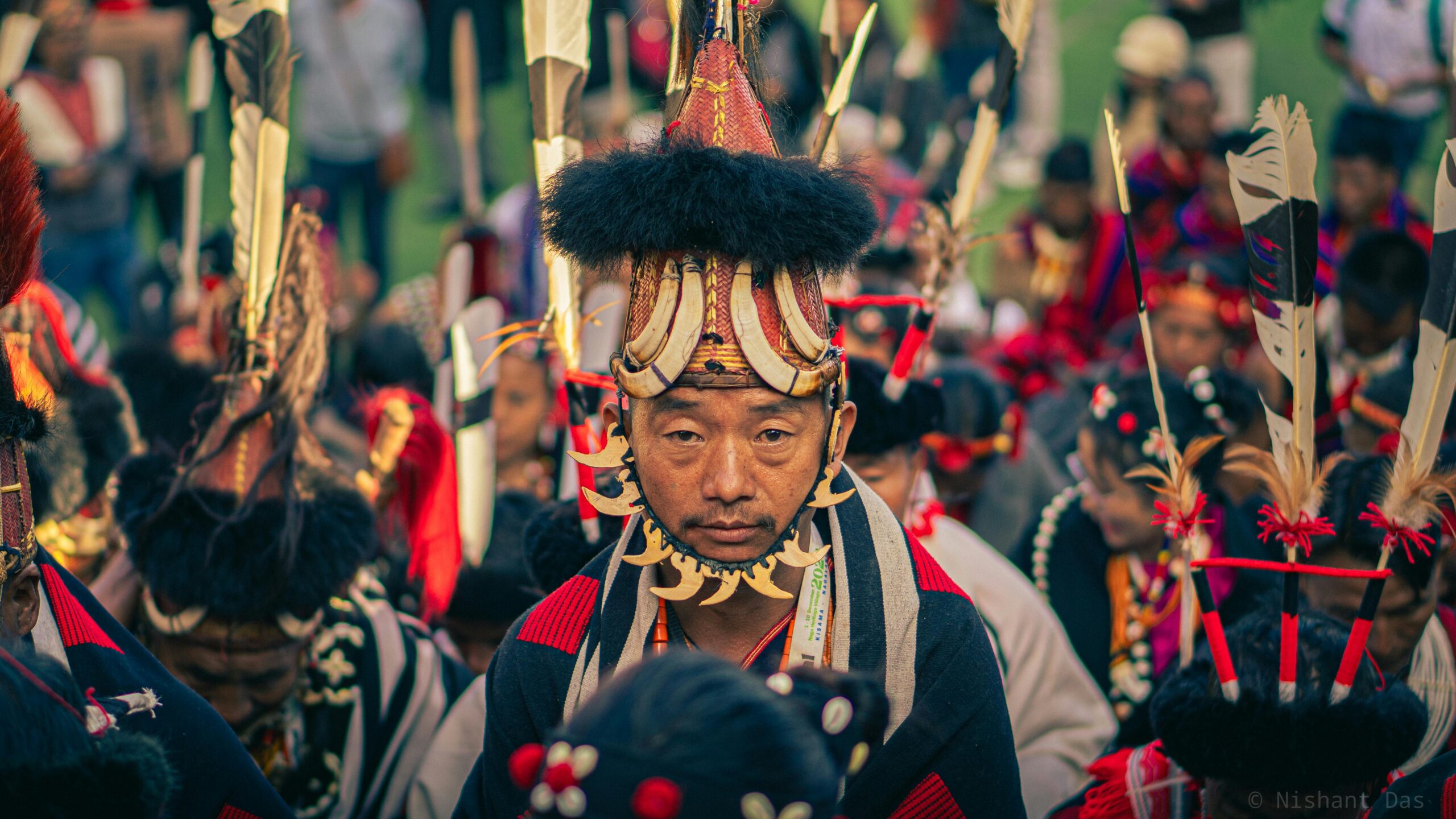
Held in Kisama Heritage Village, the Hornbill Festival brings together the many tribes of Nagaland in a rare and vibrant display of unity. War dances, folk songs, indigenous games, and traditional crafts create an atmosphere that feels both celebratory and deeply cultural. Each tribe presents its identity not as a performance for tourists, but as a preservation of heritage. For travelers, it offers a rare opportunity to engage with Northeast India’s living traditions, often overlooked, yet incredibly rich.
Best Time: December | Experience Note: Approach with curiosity and openness; this is a space of cultural pride.
3. Phool Dei Festival, Uttarakhand: Welcoming Spring, One Doorstep at a Time
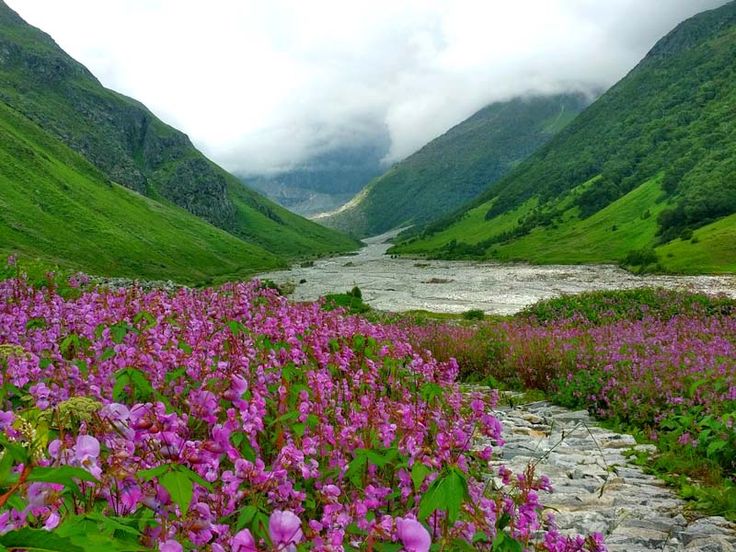
Celebrated beautifully in the Kumaon region, Phool Dei is, without doubt, a gentle and almost poetic festival that, above all, marks the soft and welcome arrival of spring. Furthermore, young girls actively go from house to house, carefully placing fresh flowers on doorsteps and, consequently, offering heartfelt blessings for prosperity and lasting happiness to every household they visit. In return, the families they bless gratefully gift them sweets and grains as a warm and sincere gesture of appreciation.
Moreover, the festival is, in every sense, beautifully simple, remarkably quiet, and almost understated in the most refreshing way possible. However, despite its gentle simplicity, it simultaneously captures something far deeper and far more essential than its modest appearance suggests. In fact, at its very core, Phool Dei actively celebrates community, gratitude, and, most meaningfully, the ever-changing rhythm of seasons that connects every generation to the land they call home.
Consequently, while grand festivals of India often dazzle with noise and spectacle, Phool Dei, on the other hand, chooses to move you quietly, softly, and, ultimately, far more deeply than you ever anticipated.
Best Time: March | Experience Note: Ideal for those seeking a softer, more intimate cultural experience.
4. Chapchar Kut Festival, Mizoram: Joy After the Harvest
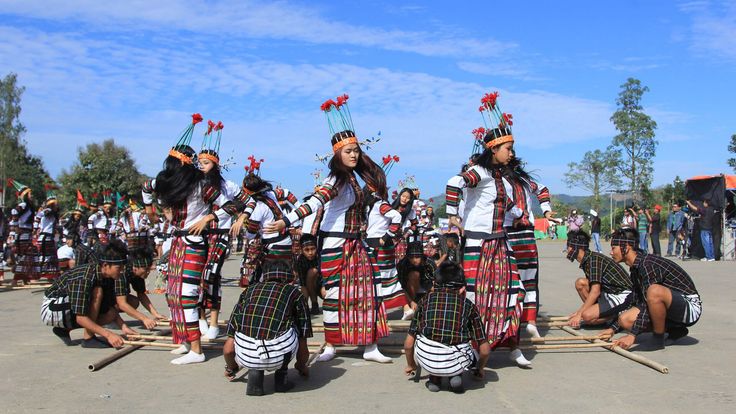
Chapchar Kut actively marks, above all, the end of the long and arduous jhum cultivation process in the beautiful hill state of Mizoram. Furthermore, what consequently follows this period of hard work and patient waiting is, without doubt, an explosion of pure celebration, warm light, soulful music, and joyful movement that brings entire communities together in the most heartfelt way possible.
Moreover, the traditional bamboo dances, most notably the remarkably rhythmic and precisely executed Cheraw, form the beating heart and soul of the entire festival. In fact, every carefully coordinated step and every perfectly timed movement simultaneously tells a story of unity, discipline, and great cultural pride that has, consequently, endured proudly across generations.
Additionally, the energy that Chapchar Kut generates is, in every sense, joyful and uplifting, yet, on the other hand, never overwhelming or excessive in the slightest. Instead, it remains, above all, deeply and beautifully rooted in genuine gratitude for the land and the natural cycles that, ultimately, sustain every life and every harvest in Mizoram.
Therefore, among the many extraordinary festivals of India, Chapchar Kut stands out, not merely as a celebration, but rather as a living, breathing expression of a community’s most profound and enduring relationship with the earth beneath their feet.
It’s a reminder that festivals, at their core, are about balance between effort and reward, work and celebration.
Best Time: March
5. Bastar Dussehra, Chhattisgarh: A Festival Unlike Any Other
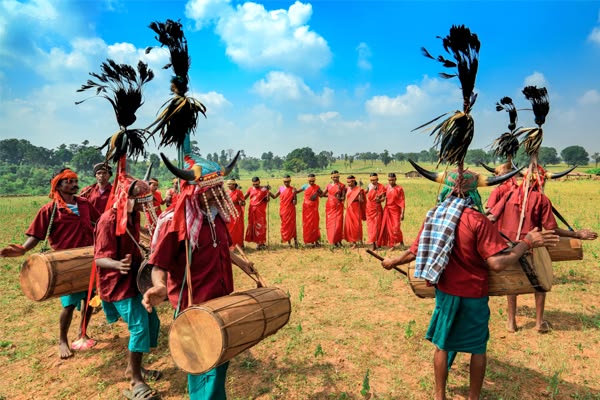
Bastar Dussehra is perhaps one of the most unique interpretations of Dussehra in India. Unlike the familiar narrative of Lord Rama, this 75-day-long festival is dedicated to the local deity, Goddess Danteshwari. Rituals here are complex, layered, and deeply symbolic. Wooden chariots are pulled through the town, tribal communities gather in large numbers, and traditions passed down for centuries are carried forward with unwavering devotion. It feels less like an event and more like a living, breathing tradition.
Best Time: September–October
6. Losar Festival, Ladakh: A New Year in the Mountains
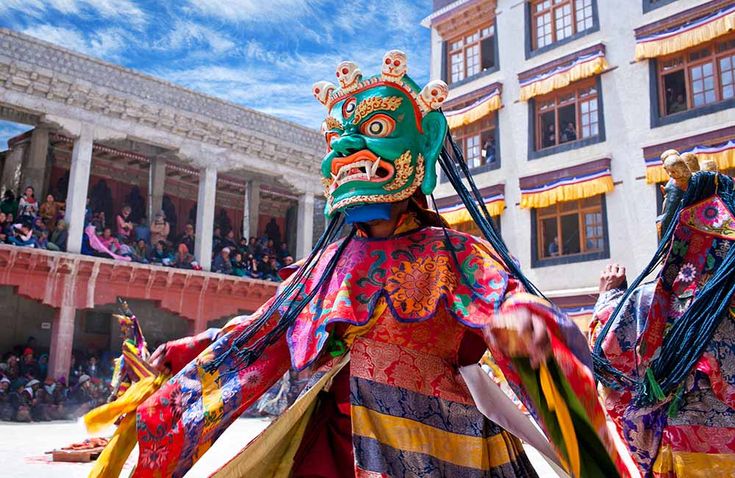
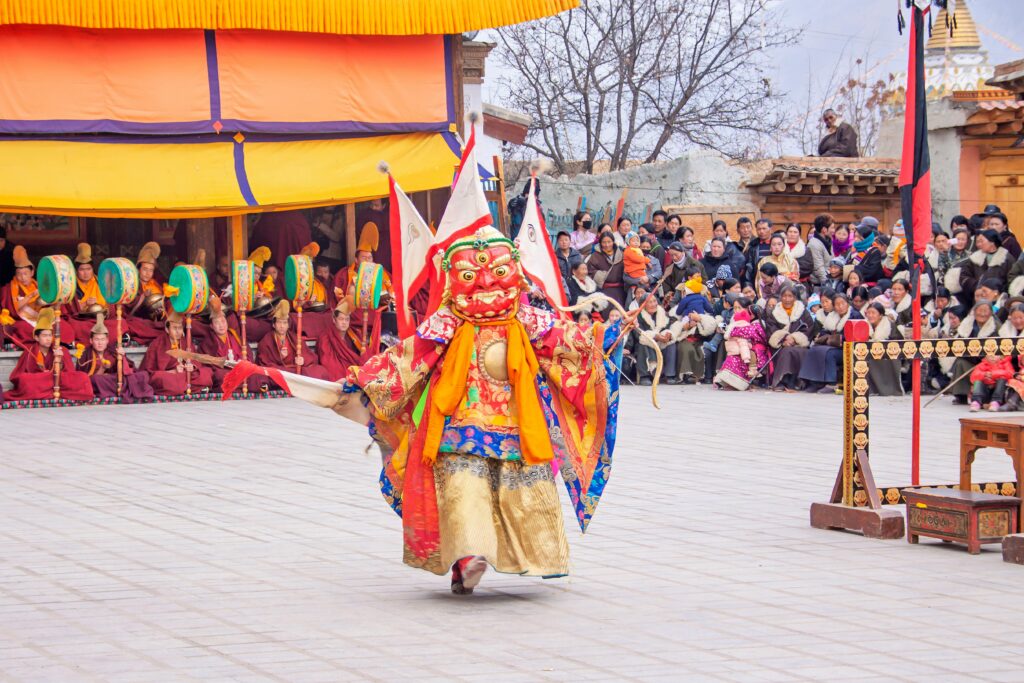
In the stark, beautiful landscapes of Ladakh, Losar marks the Tibetan New Year with prayer, ritual, and quiet celebration. Monasteries come alive with masked dances, chants, and ceremonial offerings. Homes are cleaned, decorated, and filled with warmth against the cold outside.
There’s a stillness to Losar, a sense of renewal that feels deeply personal.
Best Time: December–January
7. Kila Raipur Sports Festival, Punjab: Rural Strength and Spirit
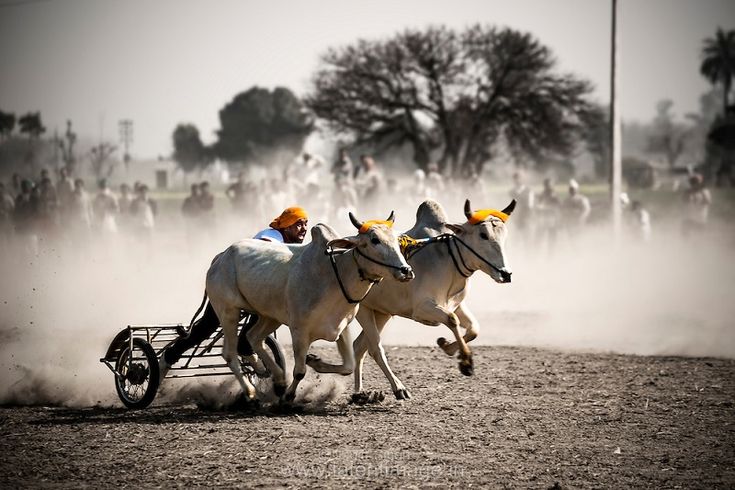
Often referred to as the “Rural Olympics,” this festival in Punjab is a celebration of strength, skill, and community pride. Events range from traditional sports to feats of endurance that reflect rural life, such as bullock cart races, wrestling, and more. It’s energetic, vibrant, and grounded in the everyday lives of people.
Best Time: February
These festivals are not curated for tourism. They exist because they always have. And that’s precisely what makes them meaningful. To witness them is to understand India beyond its surface to see not just how it celebrates, but why. The rituals, the stories, the communities, they all carry a depth that cannot be replicated or staged.
But experiencing them requires more than just showing up. It requires timing, context, sensitivity, and thoughtful planning.
Traveling With Respect
When visiting such festivals:
- Dress modestly and appropriately
- Ask before photographing people or rituals
- Follow local customs and guidance
- Engage with humility, not curiosity alone
Because these are not attractions. They are traditions.
Plan Meaningful Cultural Journeys with The Safar Travels
Experiencing India’s lesser-known festivals isn’t about ticking off destinations; it’s about being present in the right place, at the right time, in the right way. At The Safar Travels, we design journeys that go beyond the obvious, helping you access experiences that are authentic, respectful, and deeply enriching. If you’re looking to explore India beyond the usual,
We’ll help you get there in a meaningful way.
From remote Himalayan celebrations to intimate village rituals, we ensure:
- Thoughtful itineraries aligned with festival calendars
- Local insights and guidance
- Seamless travel planning across regions
Connect with The Safar Travels and begin your journey.
Subscribe for more such interesting stories,

