
India is, without doubt, one of the most extraordinarily diverse and deeply layered countries on the entire planet. Furthermore, while destinations like Rajasthan, Kerala, and Goa continue to actively dominate travel conversations year after year, an entirely different and far more rewarding India consequently waits, patiently and quietly, just beyond the edges of every mainstream tourist map. From the snow-capped valleys of Ladakh to the spice-scented backwaters of Kerala.  the best places to visit in India are, without doubt, as varied and as extraordinary as the travellers who actively seek them out. Whether you are, in fact, a first-time visitor overwhelmed by the sheer scale and magnificence of this country, or, on the other hand, a seasoned traveller returning to rediscover a land you thought you already knew, India consequently always finds a way to surprise you, move you, and, ultimately, change you in ways you never fully anticipated.

The unexplored places in India stretch, above all, far beyond what most travellers ever realise exists. And yet, despite their extraordinary beauty and profound cultural richness, they remain, quite remarkably, refreshingly free of crowds, noise, and the overwhelming commercialisation that has, consequently, slowly crept into so many of India's more famous destinations.
However, exploring these unexplored places in India successfully requires, above all, one crucial thing that most travellers consistently overlook: knowing not just where to go, but also, equally importantly, exactly when to go. Because in India, timing is, without doubt, everything. India confounds calendars. It operates on at least three climates simultaneously. While Rajasthan bakes under a punishing May sun, the Himalayas are just thawing into bloom. While Kerala turns lush and cinematic in the monsoon, Spiti Valley opens its mountain passes. The secret to travelling India well is not just choosing where, but choosing when.
This is your month-by-month guide, honest, specific, and curated for travellers who want more than a postcard moment. This guide breaks it all down so you can stop guessing and start planning the India trip you actually want.
January: Winter Peak
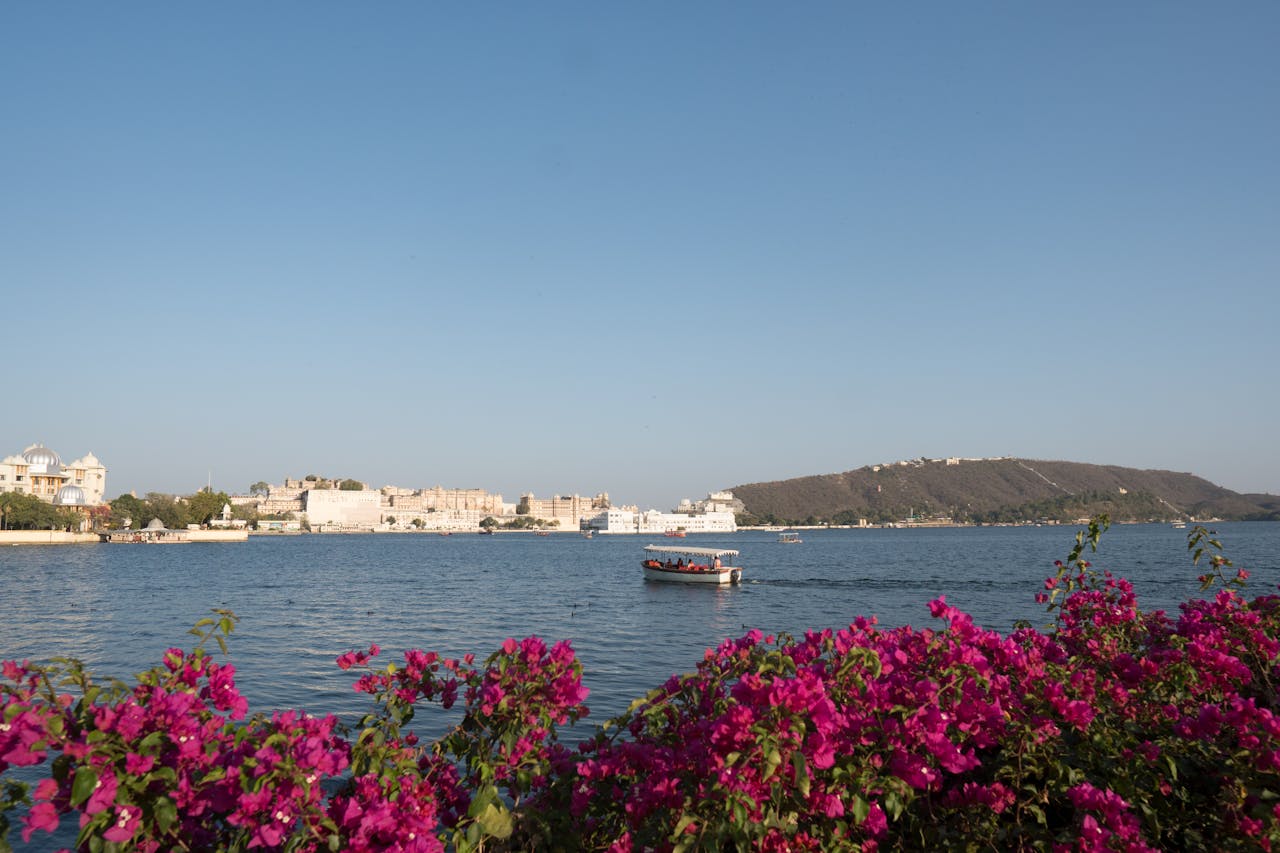
January is India at its most inviting for first-time visitors. The oppressive heat that defines much of the year has retreated entirely, leaving behind crisp, clear days that feel almost Mediterranean across the north. Rajasthan is extraordinary right now, the palaces of Jaipur, Udaipur, and Jodhpur glow amber and rose in the cool afternoon light. The desert nights in Jaisalmer are cold enough to warrant a campfire under an impossibly starry sky. Down south, Kerala’s backwaters shimmer in hushed tranquillity, glide through narrow canals on a houseboat, watch fishermen haul their Chinese nets at dawn, and eat fish curry that has no equal. Goa is lively but manageable. Varanasi, always Varanasi, is at its most meditative, wrapped in morning mist as pilgrims descend the ghats at first light.
Temperature: 8–24°C across the north | Crowds: High – book ahead | Don’t miss: Jaipur Literature Festival
Jaipur | Udaipur | Varanasi | Kerala Backwaters
February: Festival Month
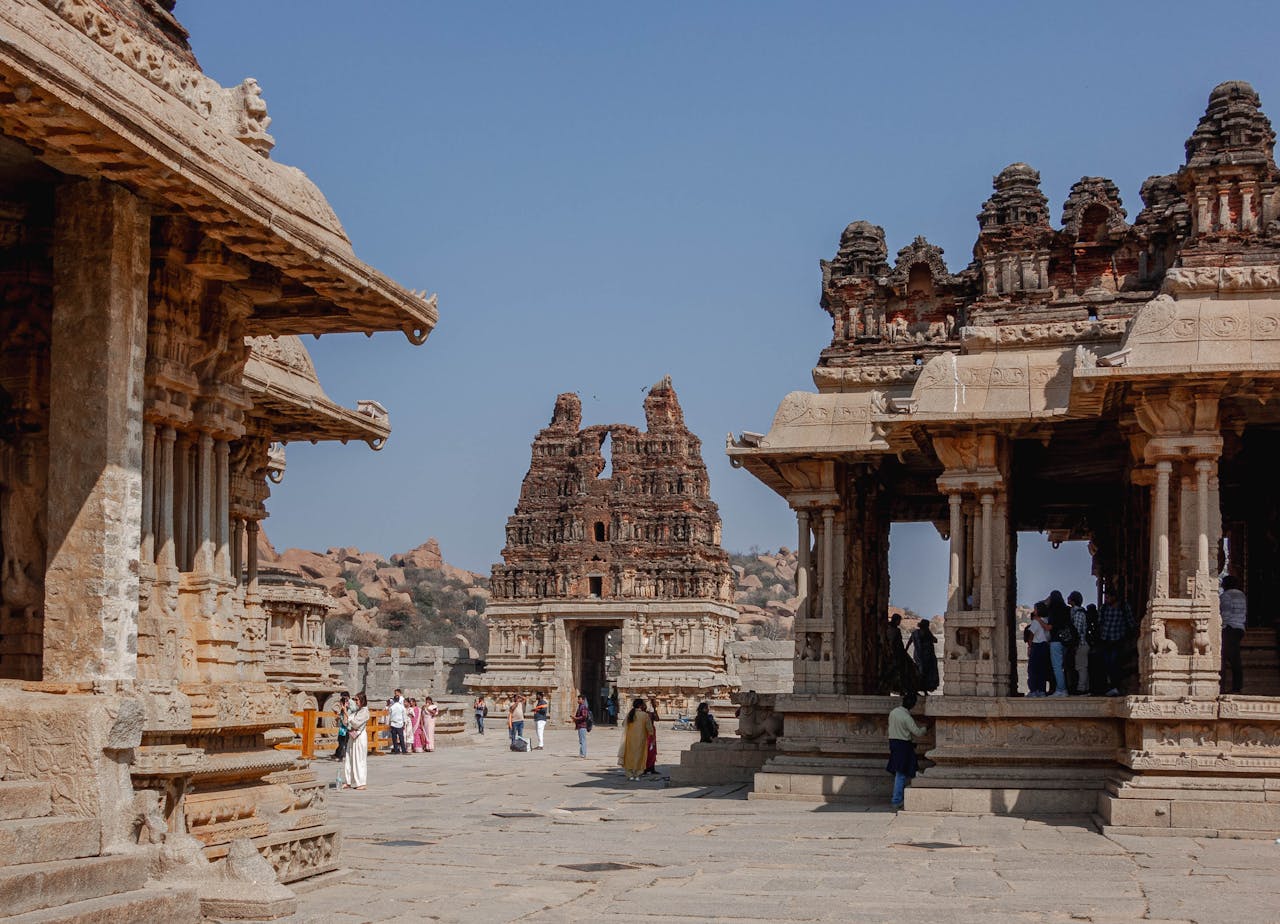
February carries the last perfect days of Indian winter before warmth begins creeping in. The country’s festival calendar intensifies, Khajuraho’s dance festival unfolds against the backdrop of its jaw-dropping 10th-century temples, with classical performers filling the night air with Kathak and Bharatnatyam. Hampi, the ruined Vijayanagara capital in Karnataka, makes for spectacular exploring in this gentle weather cycle past boulder-strewn landscapes and ancient stone chariots without the weight of summer heat. Holi is approaching, and you can feel the anticipation building in smaller towns. The Rann of Kutch in Gujarat is still open; its vast white salt desert, lit by the moon, is one of India’s most otherworldly experiences.
Temperature: 12–28°C | Crowds: Moderate – sweet spot | Don’t miss: Rann Utsav, Kutch
Khajuraho | Hampi | Rann of Kutch | Pushkar | Sundarbans
March: Holi Season
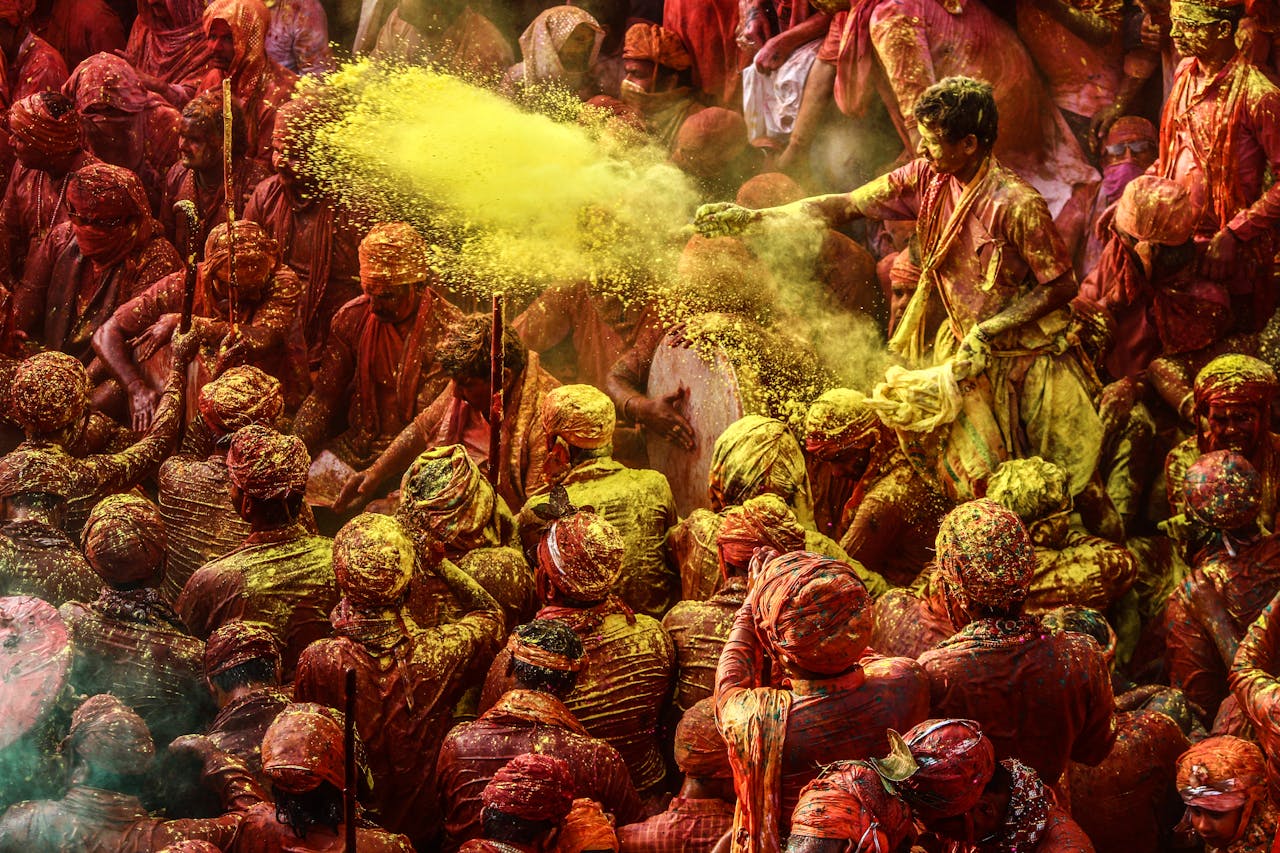
March belongs to Holi, and nothing in the world quite compares to celebrating it in Mathura and Vrindavan, the sacred twin towns where the festival was born. Expect a full week of coloured powder, flower petals, water balloons, and joyful chaos that borders on beautiful madness. Beyond the revelry, March is the last comfortable window before the northern plains heat up. Darjeeling’s tea gardens are waking up, the first flush of spring leaves is harvested, and the air smells like nothing else on earth. Coorg in Karnataka is carpeted in coffee blossoms. Head to the hills now if you want the north-south beauty of India in a single trip.
Temperature: 15–33°C in the plains | Crowds: High around Holi | Don’t miss: Holi in Vrindavan
Mathura & Vrindavan | Darjeeling | Agra | Coorg | Rishikesh
April: Pre-Summer
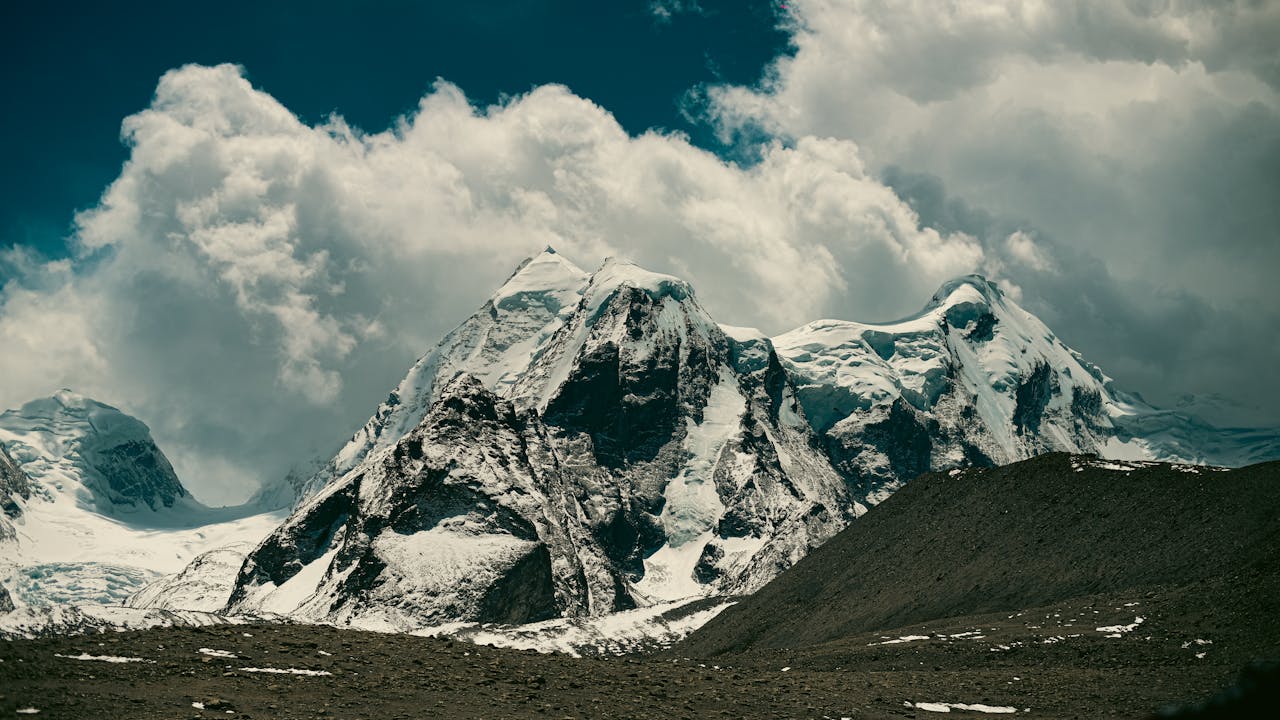
April is a month of smart decisions. The plains are warming fast; Delhi and Agra can already cross 38°C, but the mountains are blooming magnificently. This is prime time for Sikkim, where rhododendrons paint entire hillsides red and pink, and for Meghalaya, whose living root bridges and world-record rainfall have sculpted a landscape of sublime green drama. Ladakh’s mountain passes begin to reopen after winter; the road from Manali to Leh is one of the great drives on the planet, and April marks its stirring.
The northeast, often overlooked, is in its absolute prime.
Temperature: Hills: 10–22°C | Crowds: Low in hills, ideal | Don’t miss: Ziro Festival, Arunachal Pradesh
Ladakh | Sikkim | Meghalaya | Ooty | Arunachal Pradesh
May: Hill Station Season
May is when India divides sharply: the plains become punishing temperatures in Delhi, Rajasthan, and Agra can reach 45–47°C, the kind of heat that distorts the air and makes even stone feel hot to the touch. But the hills tell a completely different story. Manali in Himachal Pradesh buzzes with trekkers. Spiti Valley, one of India’s most starkly beautiful high-altitude deserts, is newly accessible. Its ancient monasteries, perched on crumbling clifftops above turquoise rivers, feel like somewhere the rest of the world forgot. Leh-Ladakh is now fully open and at the height of its trekking season. If you must visit the plains in May, go early in the morning and late in the evening, and accept that midday belongs to the shade.
Temperature: Plains: 40–47°C | Hills: 15–25°C | Crowds: Low in hills, zero in plains | Don’t miss: Spiti Valley monasteries
Manali | Spiti Valley | Leh | Shimla| Mussoorie
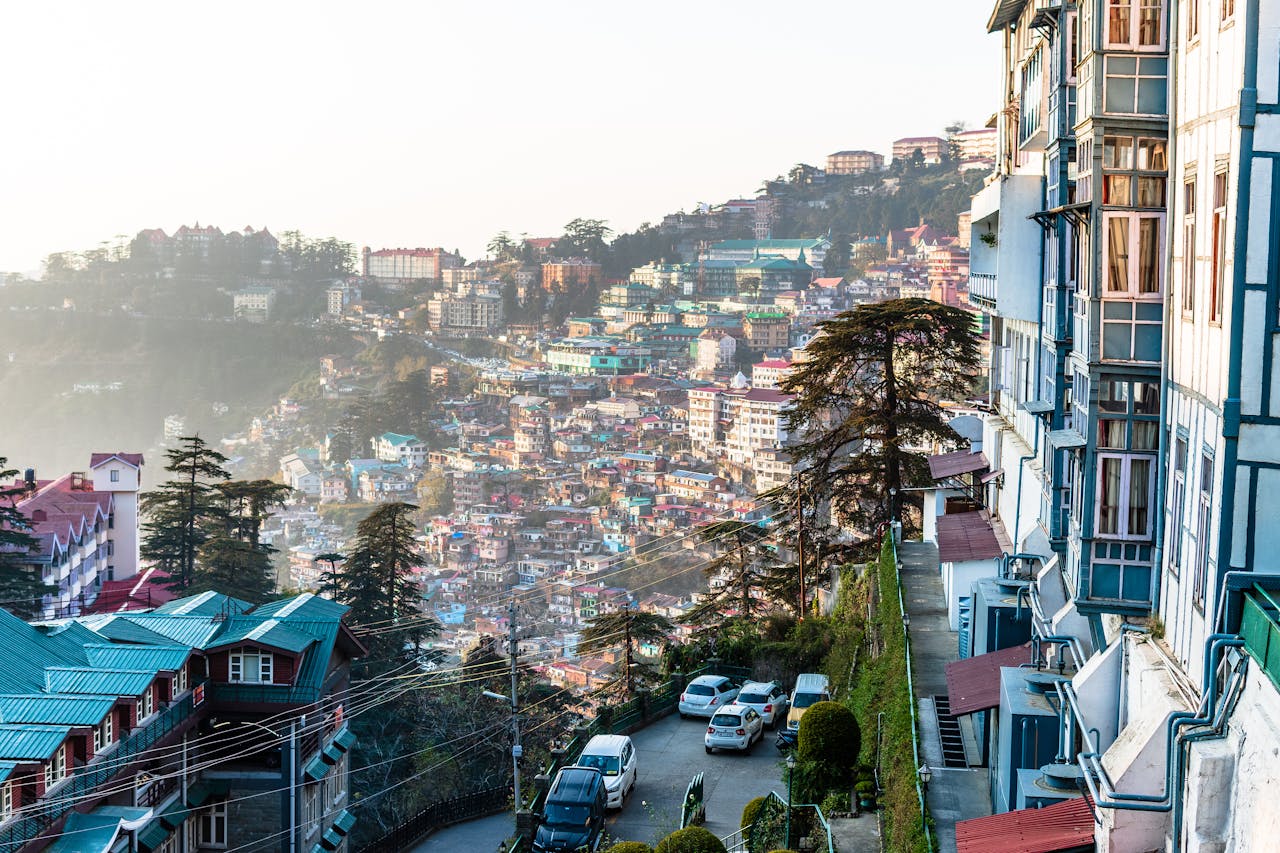
June: Monsoon Arrives
The southwest monsoon arrives in Kerala around June 1st with dramatic theatre dark clouds, heavy rain, and a collective exhale from a land that has been waiting. The Western Ghats transform overnight, waterfalls that were dry rock faces in April now thunder down hundreds of metres. Wayanad and Munnar become almost irrationally green. This is Kerala at its most cinematic, even if getting around requires some tolerance for downpours. Meanwhile, Ladakh and Zanskar remain rain-shadowed and sunny; the Himalayas block the monsoon’s reach, making them uniquely rewarding in summer. This is a month for travellers who prefer authenticity over convenience.
Temperature: Kerala: 25–30°C | Ladakh: 15–28°C | Crowds: Very low, best deals | Don’t miss: Athirapally Falls, Kerala
Wayanad | Munnar | Zanskar | Leh | Coorg
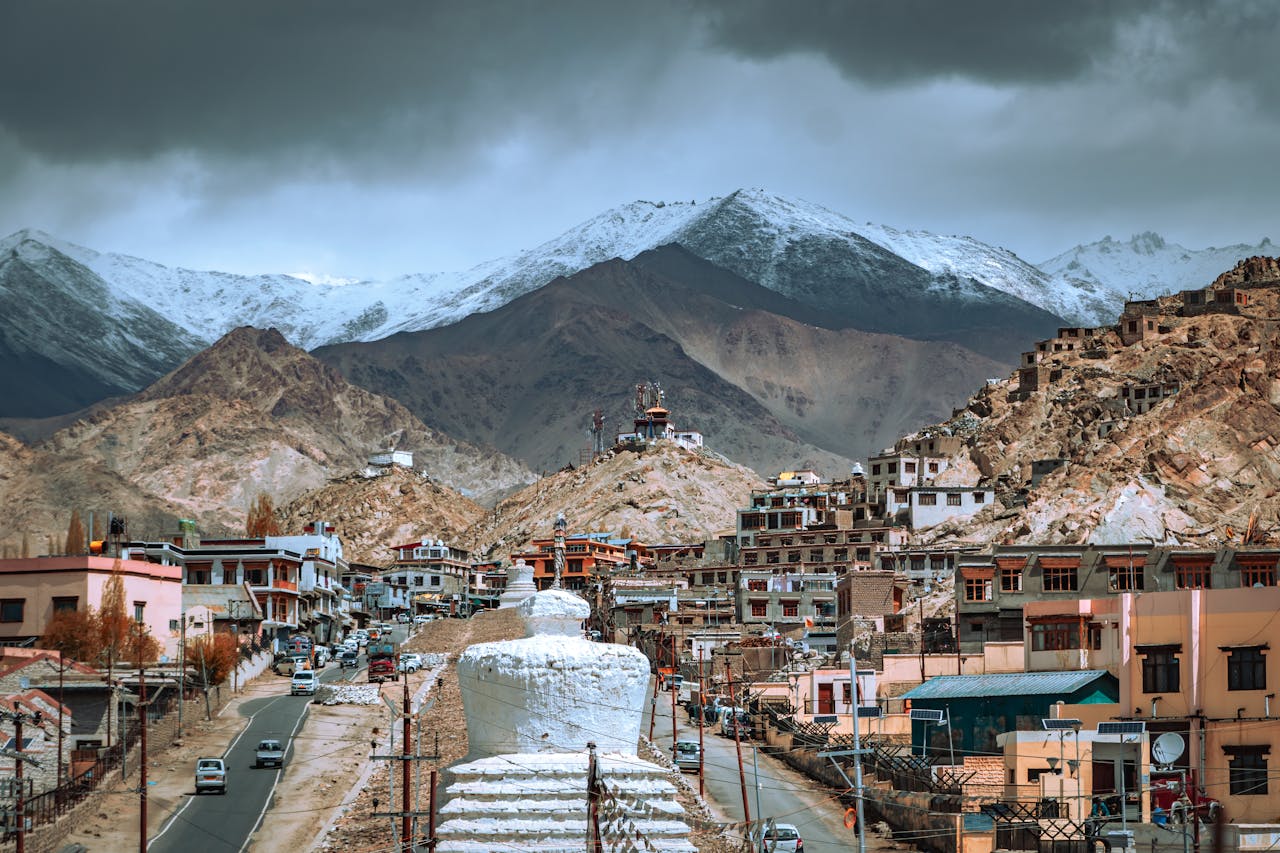
July: Deep Monsoon
July is not for the faint-hearted traveller, and that is precisely why it rewards those who come. The monsoon blankets most of India in a steady, humid, occasionally torrential rain. A poetic time for off-the-beaten-path travel, Ladakh stays dry, Kerala is lush green, and Rajasthan empties of tourists entirely. Rajasthan’s forts are empty of tourists, its desert cities moody and cinematic in the grey light. Kerala is deeply, almost aggressively lush. But the real secret of July is the northeast Assam, Meghalaya, Nagaland, where the rain is heavy, but life carries on with a kind of cheerful resilience. Kaziranga National Park floods, but one-horned rhinos wade through the water like something from prehistory. Ladakh remains the reliable dry option, now in its full trekking stride.
Temperature: 25–35°C, high humidity | Crowds: Lowest of the year | Don’t miss: Hemis Festival, Ladakh
Ladakh | Assam | Meghalaya | Kerala | Jaisalmer
August: Monsoon Peak
August is the month of the Valley of Flowers, and if you do only one thing in India this month, let it be this. This high-altitude Himalayan meadow in Uttarakhand, a UNESCO World Heritage Site, blooms with over 300 species of wildflowers in a riot of colour that lasts just a few weeks. It is one of the most beautiful places on the planet, and the narrow trekking window makes it precious. India celebrates Independence Day on August 15th, and the Red Fort in Delhi flies the tricolour with particular grandeur.
Across the country, the rain continues, but for those chasing dramatic landscapes and solitude, August delivers both.
Temperature: 20–30°C, heavy rain | Crowds: Very low except trekking routes | Don’t miss: Valley of Flowers, Uttarakhand
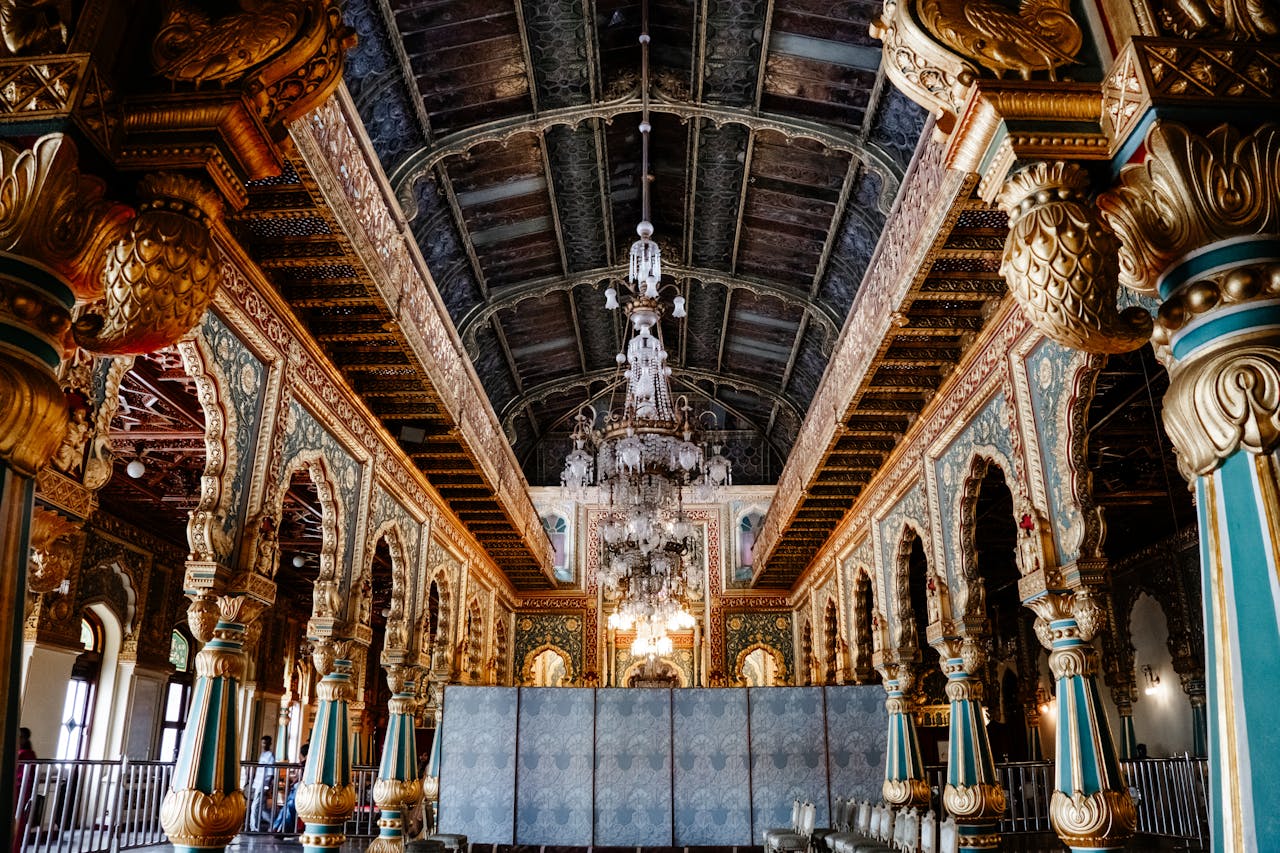
Valley of Flowers | Hampta Pass | Cherrapunji | Mysuru
September: The freshly washed World
September in India feels like a quiet exhale. The monsoon begins to loosen its grip, leaving behind a landscape that looks almost newly created, washed, vivid, and alive in a way that feels softer than peak season. The air clears, the skies deepen, and the crowds haven’t quite returned yet. This is when the Himalayas begin to show their sharpest edges.
In Spiti and Ladakh, the mountains turn a palette of ochre and gold under impossibly blue skies, while small villages prepare for the coming winter. There’s a stillness here that’s hard to find at any other time of year. In the south, the greens of Coorg and Wayanad remain lush from the rains, with waterfalls still in full force. Travel becomes easier and more accessible. Coastal towns begin to stir back to life, and the entire country seems to sit in a brief, beautiful pause before the festive rush begins.
For those who seek clarity, quiet, and landscapes at their most expressive, September is a hidden gem.
Temperature: 18–28°C, fresh and post-monsoon | Crowds: Low to moderate | Don’t miss: Spiti Valley, Himachal Pradesh
Spiti Valley | Ladakh | Coorg | Wayanad
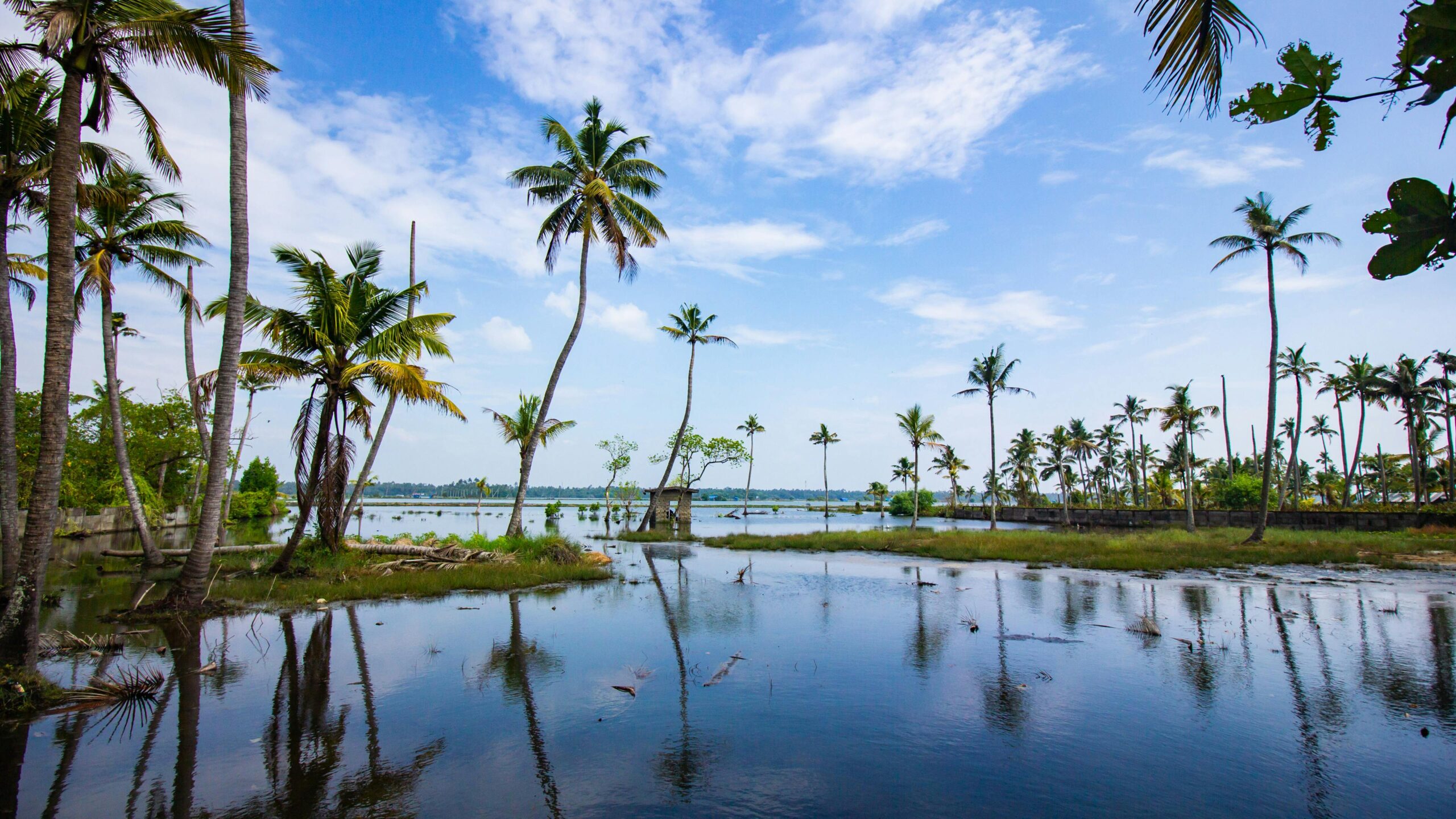
October: When India Comes Alive
October marks the return of rhythm. The rains have retreated, the skies open up, and the country begins to move again, this time with colour, celebration, and a renewed energy that is unmistakable. It’s the month where everything aligns. The weather turns comfortably warm across most regions, making it ideal for both cultural exploration and relaxed travel. Rajasthan reclaims its place on the map, its forts glowing under golden light, its cities buzzing again after the quiet monsoon months. But what truly defines October is its festivals. Dussehra arrives with grandeur in the north, especially in places like Kullu, where the celebrations feel deeply rooted and expansive. Across India, there’s a sense of anticipation building toward Diwali, the markets fill, the lights begin to appear, and the atmosphere carries a certain excitement that’s hard to describe but easy to feel.
For first-time travellers, October offers India in its most balanced form, accessible, vibrant, and deeply engaging.
Temperature: 20–32°C, pleasant and dry | Crowds: Moderate to high | Don’t miss: Rajasthan circuit (Jaipur, Jodhpur, Udaipur)
Jaipur | Udaipur | Agra
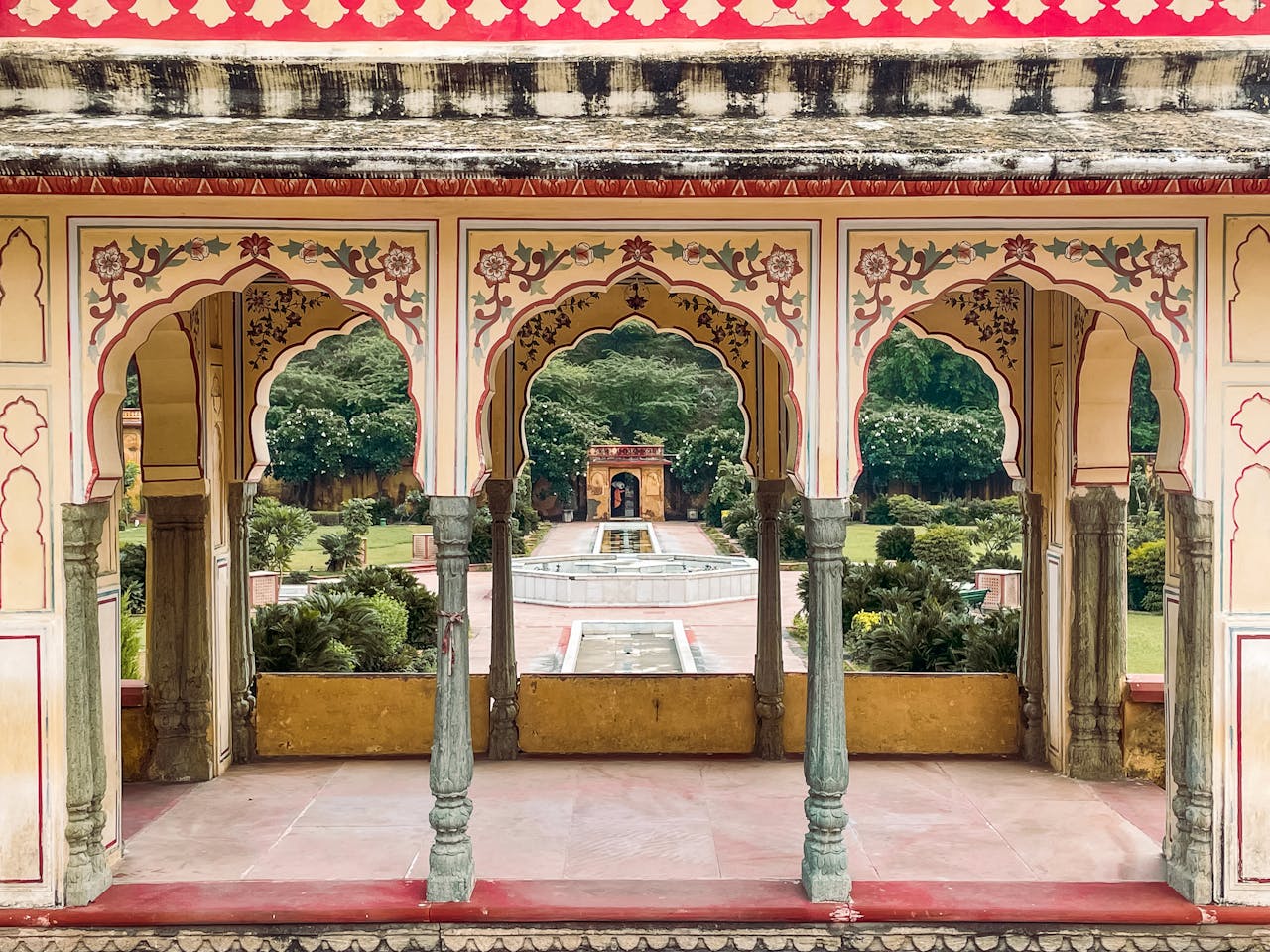
November: The Golden Glow
November is when India settles into its most celebrated season. The weather is almost universally ideal, cool mornings, sunlit afternoons, and evenings that invite you to linger just a little longer. It’s also a month where the country feels deeply alive with tradition. Diwali transforms cities into constellations of light, homes glow with diyas, and the air carries the warmth of celebration. In Varanasi, Dev Diwali elevates this even further, with thousands of lamps lining the ghats, their reflections dancing across the Ganga in a spectacle that feels both intimate and immense. Travel, in November, becomes effortless. Wildlife reserves reopen in full strength, offering some of the best chances to spot animals in their natural habitat. Desert towns like Pushkar host vibrant fairs that blend culture, commerce, and spectacle into something unique. Everything feels open, accessible, and ready to be experienced.
If October is when India awakens, November is when it truly shines.
Temperature: 15–28°C, cool and comfortable |Crowds: High (peak travel season begins) | Don’t miss: Varanasi during Dev Diwali
Varanasi | Amritsar | Pushkar Camel Fair | Ranthambore National Park
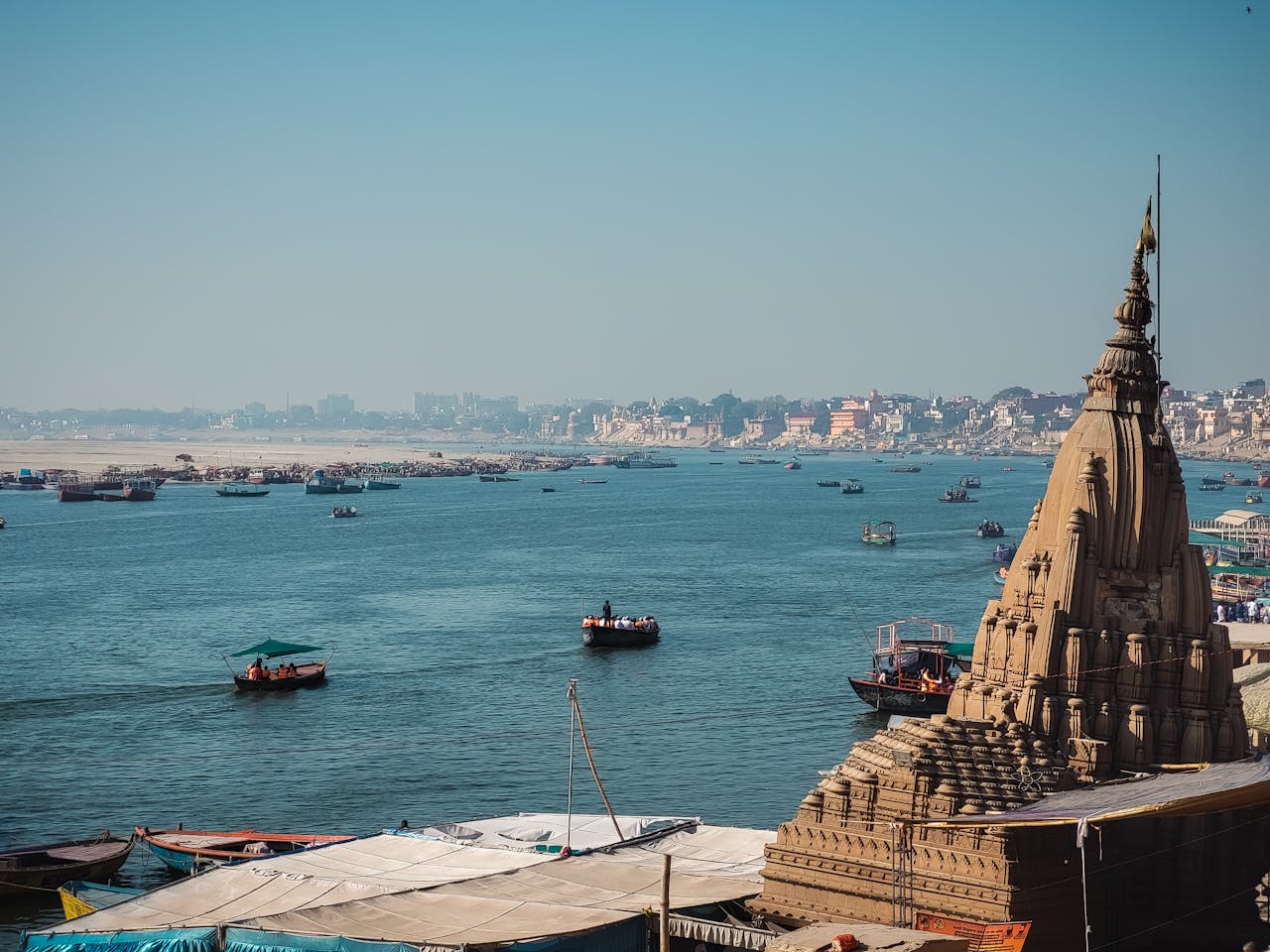
December: A Year Wrapped in Celebration
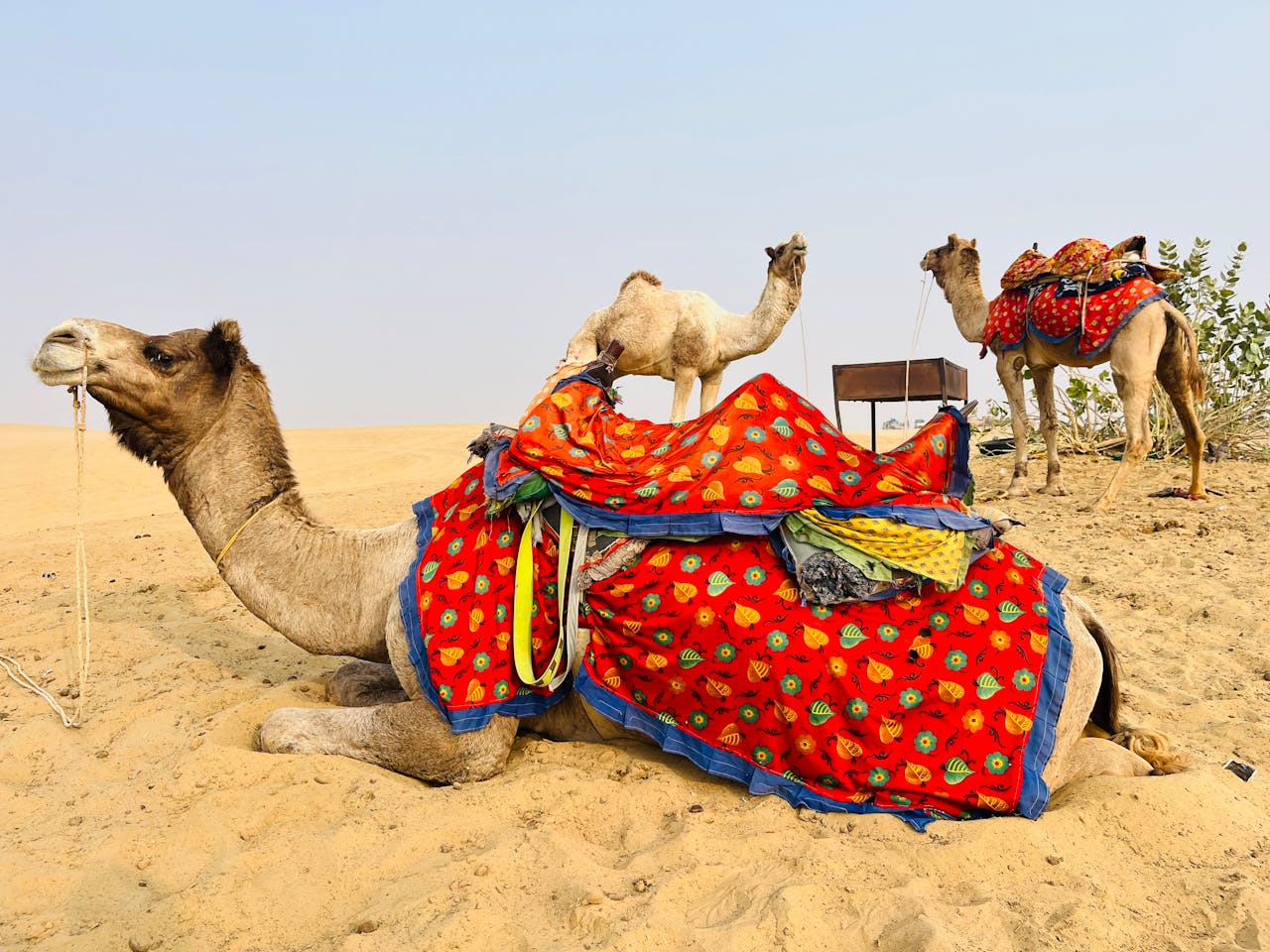
December in India feels like a grand finale. The air turns crisp, the skies clear, and the entire country seems to slip into a celebratory rhythm, part festive, part reflective, and entirely inviting. Up north, winter begins to settle in. Hill stations like Shimla and Auli take on a quiet, snow-dusted charm, where mornings are slow, evenings are colder, and the mountains feel closer than ever. In Rajasthan, the desert becomes unexpectedly magical. Days are warm under a soft winter sun, but nights turn cold. Enough for bonfires, folk music, and starlit silence over the dunes of Jaisalmer.
Further south, the mood shifts completely. Goa, with its Portuguese heritage and tropical ease, transforms into one of the most vibrant places in the country. Churches lit for Christmas, beaches alive with energy, and an atmosphere that blends celebration with laid-back coastal living. Kerala, on the other hand, offers a quieter escape, backwaters reflecting golden sunsets, houseboats drifting through still canals, and a pace that feels intentionally slow. December is also when travel feels effortless. The monsoon is long gone, the summer heat is a distant memory, and the entire country is open, accessible, and ready to be explored. It’s a month for contrast: snow and sand, silence and celebration, stillness and movement.
And perhaps the best way to end a year: somewhere new.
Temperature: 10–25°C (varies by region; colder in the north, pleasant in the south) | Crowds: High (peak holiday and festive season) | Don’t miss: Jaisalmer Desert Experience
Goa (Christmas & New Year) | Kerala Backwaters (Alleppey) | Shimla / Auli (snow experience) | Jaisalmer Desert Safari
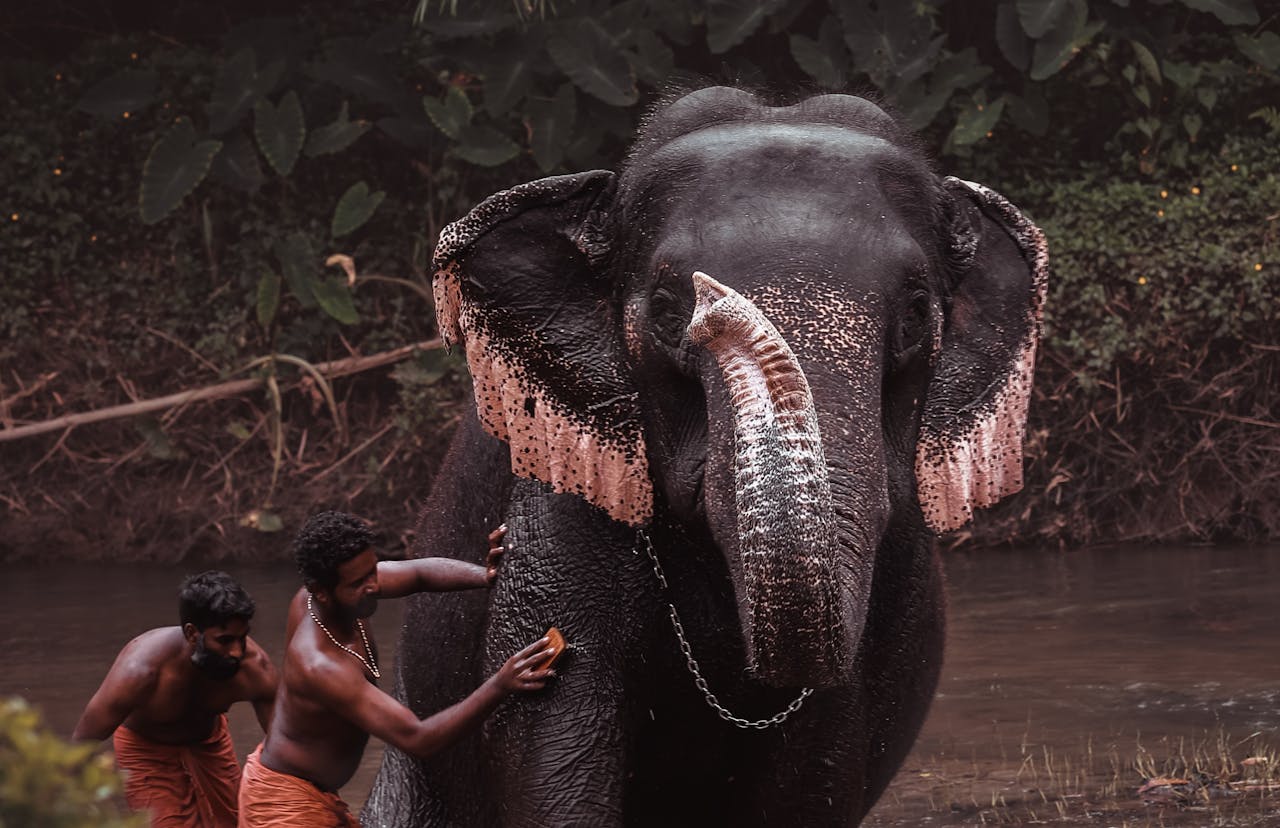
India consequently rewards, above all, every traveller who actively chooses to look beyond the obvious. Furthermore, every unexplored place in India carries something that more famous destinations have, over time, gradually lost rawness, stillness, and the rare, irreplaceable feeling of discovering something that feels, ultimately, entirely your own.
Moreover, the best time to explore these unexplored places in India is not someday. It is, without hesitation, now before the crowds arrive and before these extraordinary hidden corners consequently become the next overcrowded destination on every mainstream travel list.
Therefore, at The Safar Travels, we actively craft deeply personalised journeys to the most remarkable unexplored places in India, complete with the best travel times and hidden local experiences. So, ultimately, do not merely visit India in 2026. Instead, experience it fully, fearlessly, and, above all, far beyond the tourist trail.
Ready to explore the unexplored? Contact The Safar Travels today and let us plan your perfect India journey in 2026.
Subscribe for more such interesting stories,

