
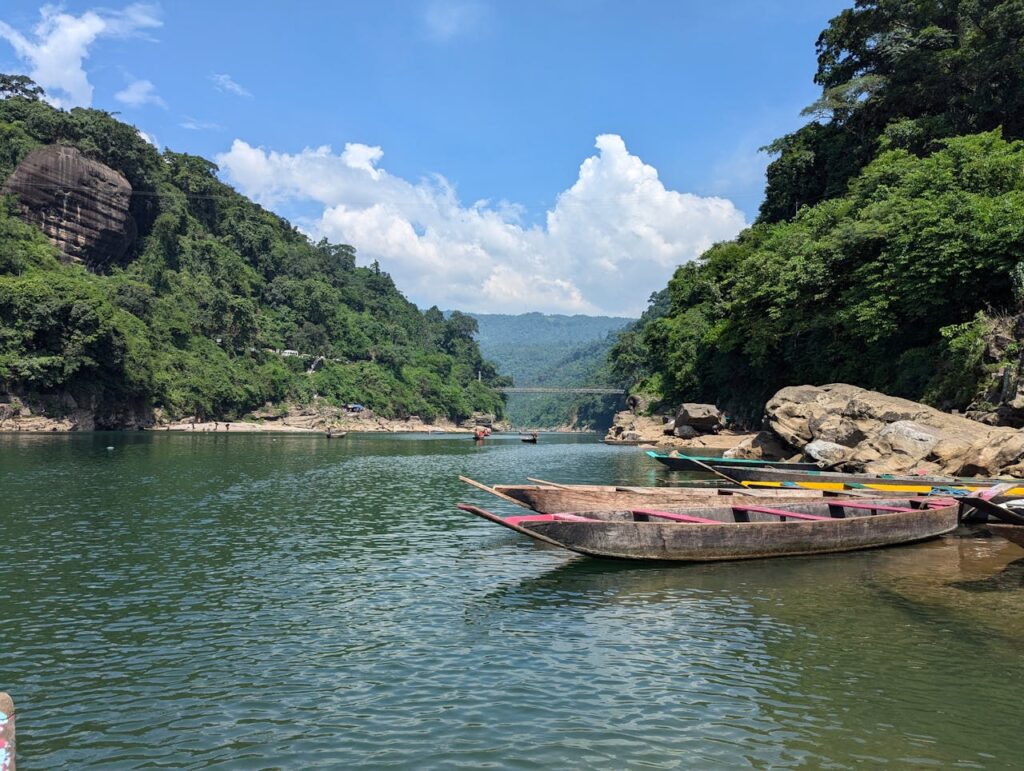
From dense forests and ancient tribes to rivers wider than some seas, North East India offers a silence so deep that it stays with you long after you have left. In fact, what makes this region truly extraordinary is not just its natural beauty, but rather the rare, untouched feeling it carries in every corner.
Furthermore, North East India, proudly known as the Seven Sisters and their brother, stands today as one of the last great travel secrets on the entire planet. Unlike many overexplored destinations, this remarkable region has, above all, managed to preserve its raw authenticity and timeless charm in a way that very few places in the world still can.
Moreover, whether it is the mist rolling over ancient hills, the rhythm of tribal traditions passed down through generations, or the sheer vastness of rivers that stretch beyond imagination, every single element of this land quietly leaves a lasting mark on your soul.
Why North East India Feels Like a Different World
The very moment your flight descends into Guwahati or Dimapur, something almost magical shifts within you. Instantly, the air feels different, the pace slows down, and people smile at strangers, not because it is simply polite, but rather because it is genuinely heartfelt.
Furthermore, this extraordinary region, comprising Assam, Meghalaya, Arunachal Pradesh, Nagaland, Manipur, Mizoram, Tripura, and Sikkim, shares far more borders with Bhutan, China, Myanmar, and Bangladesh than with the Indian heartland. As a result, that deep-rooted isolation is, above all, exactly what has so powerfully preserved it over centuries.
Moreover, unlike destinations that have gradually lost their identity to mass tourism, the culture here remains undiluted, the forests stay gloriously wild, and the experiences are, without doubt, impossible to replicate anywhere else on earth. Consequently, no matter how widely you have travelled before, North East India will, ultimately, offer you something you have never encountered and will never forget.
1. Meghalaya: The Abode of Clouds
Most people have heard of Cherrapunji. Few know what it actually feels like to stand in it.
Meghalaya receives some of the highest rainfall in the world. But what that rain creates is nothing short of extraordinary waterfalls that disappear into mist, living root bridges grown by the Khasi people over centuries, and valleys so green they almost hurt your eyes.
-The Living Root Bridges of Nongriat: The Living Root Bridges of Nongriat are, without doubt, the most jaw-dropping example of human ingenuity in perfect harmony with nature. Unlike ordinary wooden bridges, these extraordinary structures are not simply built. Rather, they are patiently and beautifully grown over generations.
In fact, the Khasi tribe carefully trained the roots of rubber trees across rivers, consequently creating bridges that grow stronger with every single passing year. As a result, what stands today is not merely a bridge, but rather a living, breathing testament to human patience and nature’s extraordinary power.
Furthermore, among all these incredible structures, the Double Decker Root Bridge near Cherrapunji is, above all, the undisputed crown jewel. Moreover, reaching this breathtaking marvel requires a steep trek down approximately 3,500 steps. However, despite the effort involved, it is, ultimately, worth every single one.
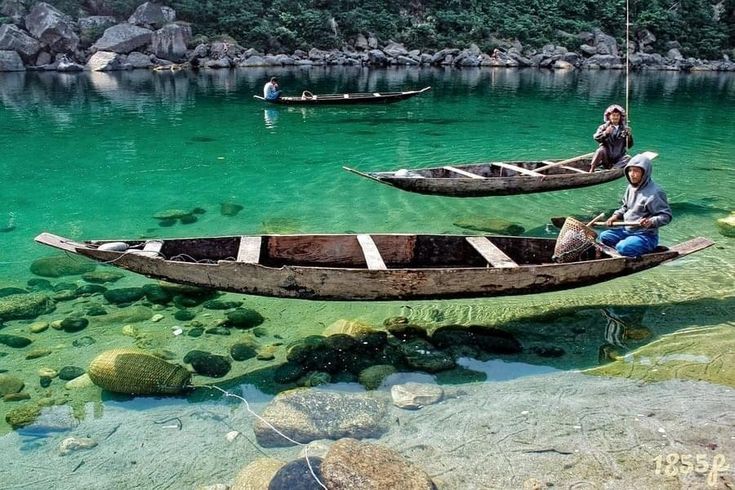
-Dawki and the Umngot River deserves its own column. The water here is so clear that boats appear to float on glass. On a calm morning, you can see every pebble on the riverbed from six feet above. Photographs look edited. They aren’t.
-Mawlynnong, just 90 kilometres from Shillong, carries the quiet pride of being Asia’s cleanest village. The residents maintain it themselves, no government campaign, no tourism pressure. Just a community that decided to take care of what they have. Walking through it feels like stepping into a dream.
2. Arunachal Pradesh: The Land the Sun Touches First
India’s easternmost state is the first place in the country to see the sun rise. It’s also, in many ways, the least explored.
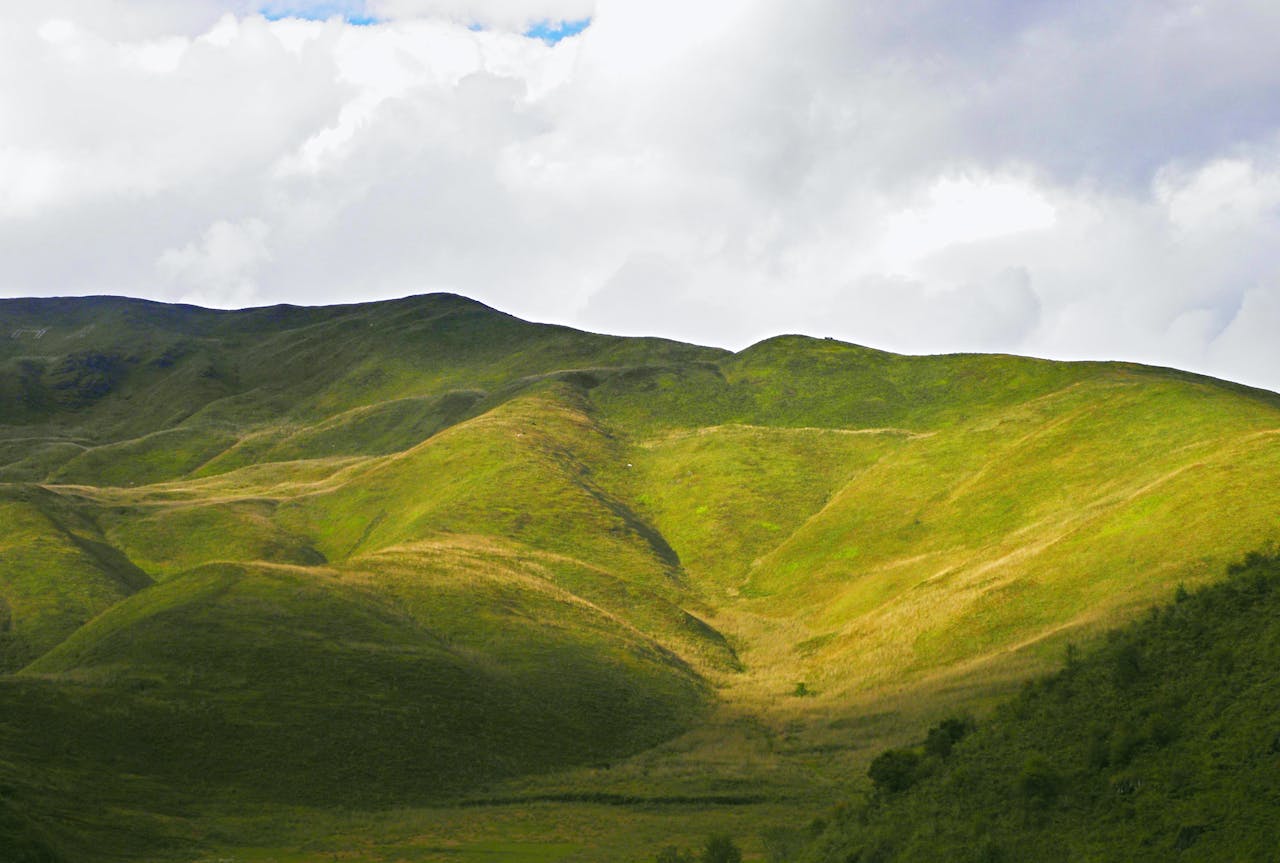
Arunachal Pradesh is enormous, bigger than many countries, and most of it is untouched. Dense forests cover over 80% of its land. Rare animals like the clouded leopard, red panda, and snow leopard move through these forests with almost no human interference.
-Tawang sits at over 10,000 feet and holds one of the largest Buddhist monasteries in India. The Tawang Monastery, built in the 17th century, looks like it grew out of the mountains themselves. On clear mornings, prayer flags flutter against a backdrop of snow peaks and silence. The town below is small, honest, and impossibly scenic.
The road to Tawang passes through Sela Pass at nearly 14,000 feet. The frozen lake beside it, ringed by prayer flags and snowfields, is one of the most moving sights in the country. Take it slow. Let it sink in.
-Ziro Valley is a UNESCO World Heritage nomination site and home to the Apatani tribe. Their paddy fields follow a centuries-old irrigation system that still works perfectly. The Apatani people have rejected deforestation entirely, a remarkable decision that has kept their valley lush while much of the world stripped itself bare.
Ziro also hosts one of India’s most beloved music festivals every September. Independent artists, open skies, rice beer, and a mountain backdrop. It’s not something you attend. It’s something you experience.
3. Nagaland: Where Warriors Became Hosts
Nagaland is the kind of place that changes how you think about culture.
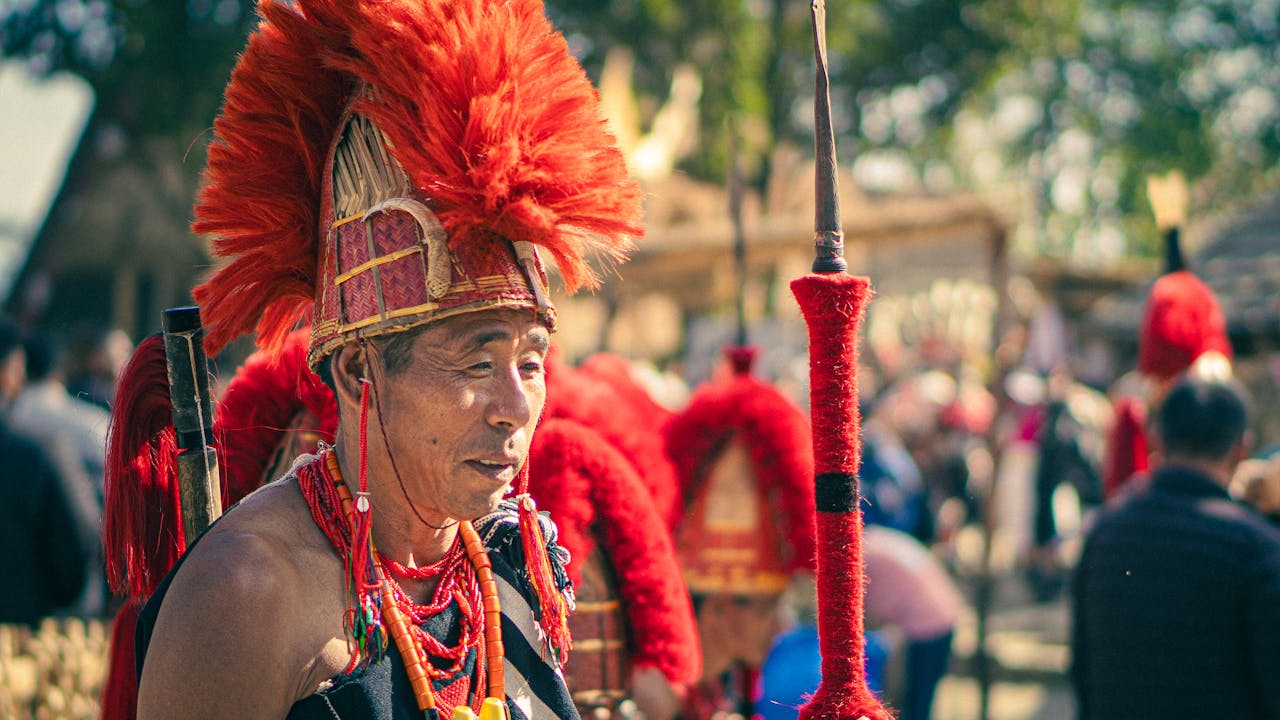
The Naga people have one of the richest tribal traditions in all of Asia. Sixteen major tribes, each with its own language, dance, and ceremonial dress, live across this compact hill state. And once a year, they come together at the Hornbill Festival, ten days of performance, food, crafts, and community held in the village of Kisama, just outside Kohima.
The Hornbill Festival runs every December. It’s called the Festival of Festivals for good reason. Watching a Konyak warrior in full ceremonial headgear perform a harvest dance beside a Lotha folk singer is the kind of thing that realigns your understanding of the world.
But Nagaland isn’t just about the festival. Dzukou Valley, sitting on the border of Nagaland and Manipur, is one of the finest trekking destinations in the entire north east India. The valley blooms with Dzukou lilies in summer, a flower found nowhere else on earth. The trek is moderate, the campsites are basic, and the views from the ridge at sunrise are extraordinary.
Kohima War Cemetery carries a different kind of weight. It marks the site of the Battle of Kohima in 1944, one of the most pivotal battles of the Second World War, fought in conditions that few soldiers on any side could have imagined. The epitaph here is one of the most quietly powerful pieces of writing in any cemetery in the world. Read it slowly.
4. Assam: The Soul of the North east India
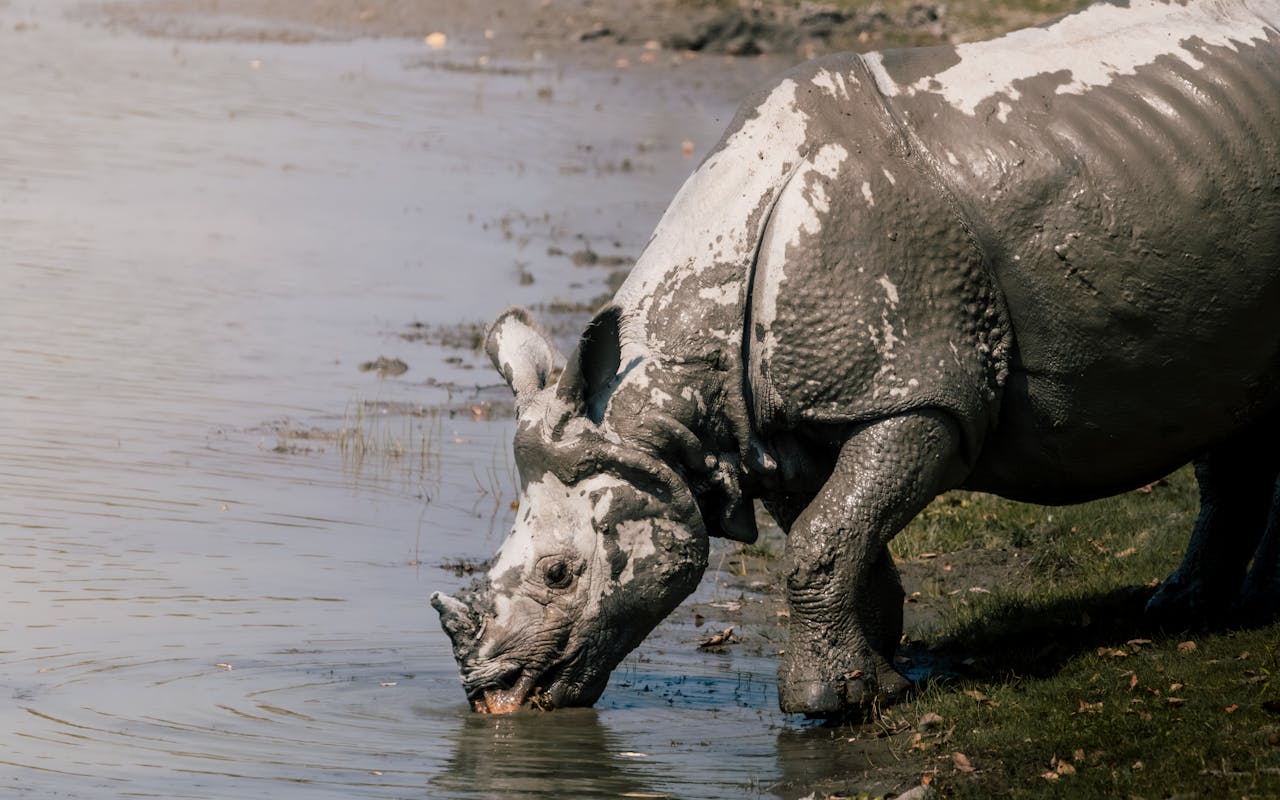
Every journey to the north east India passes through Assam. And many travellers make the mistake of treating it as just a transit stop.
– Kaziranga National Park is a UNESCO World Heritage Site and home to two-thirds of the world’s one-horned rhinoceroses. That’s not a tourism statistic, it’s a conservation miracle. The morning jeep safaris here move through tall elephant grass and across floodplains where rhinos graze in complete indifference to your presence. Elephants wade through rivers. Wild buffalo block the road. Tigers have been spotted, though they prefer to stay hidden.
A morning in Kaziranga resets your sense of what wild actually means.
-Majuli Island: sitting majestically in the middle of the Brahmaputra River, holds the remarkable distinction of being the world’s largest river island. However, despite this extraordinary title, it is, unfortunately, shrinking every year due to continuous erosion.
Moreover, Majuli is, above all, the cultural heart of Vaishnavite Assam, home to ancient satras where monks have, for centuries, lovingly preserved classical dance, music, and mask-making traditions that no other place on earth can replicate.
Furthermore, the ferry ride to Majuli from Jorhat is, in itself, an unforgettable experience. In fact, the Brahmaputra here is so breathtakingly wide that, for a considerable stretch of the journey, you simply cannot see either bank. As a result, it feels, quite remarkably, less like a river crossing and more like sailing open sea.
Additionally, woven seamlessly through all of this is Assam’s legendary tea estate culture. Consequently, staying at a heritage tea bungalow in Jorhat or Dibrugarh, surrounded by manicured gardens, colonial architecture, and the intoxicating smell of first-flush tea, is, without doubt, one of the finest slow-travel experiences the entire country has to offer.
5. Manipur and Mizoram: The Quiet Ones
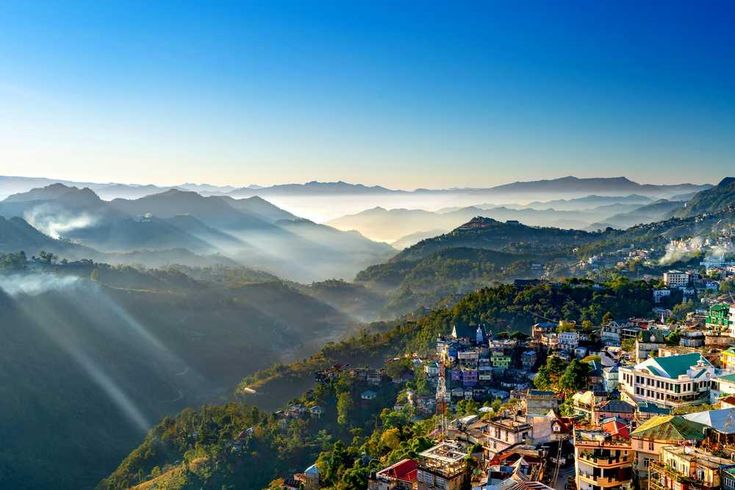
These two states remain the least visited in the northeast India, which makes them the most rewarding for those who arrive.
-Loktak Lake in Manipur is the largest freshwater lake in northeast India, and it holds one of the strangest natural phenomena you’ll ever see, floating islands called phumdis, made of vegetation, soil, and organic matter. The Keibul Lamjao National Park sits on one of these phumdis and is the only floating national park in the world. It is home to the sangai, the brow-antlered deer, an animal found nowhere else on earth.
Manipur’s classical dance form, Manipuri dance, is one of the eight classical dance forms of India. Watching a live performance, especially during festivals like Yaoshang or Lai Haraoba, is something that stays carved into memory.
-Mizoram is different again. The Mizo people are among the most educated communities in India, with a literacy rate that rivals the best in the country. The capital, Aizawl, is built vertically on steep ridges and is one of the most visually unusual cities in Asia; every building clings to a hillside, connected by roads that curl like ribbons around the mountains.
The Phawngpui Blue Mountain, the highest peak in Mizoram, offers trekking through rhododendron forests and views over Myanmar. The trail is rarely crowded. The summit is deeply peaceful.
Sikkim: Where the Himalayas Feel Personal
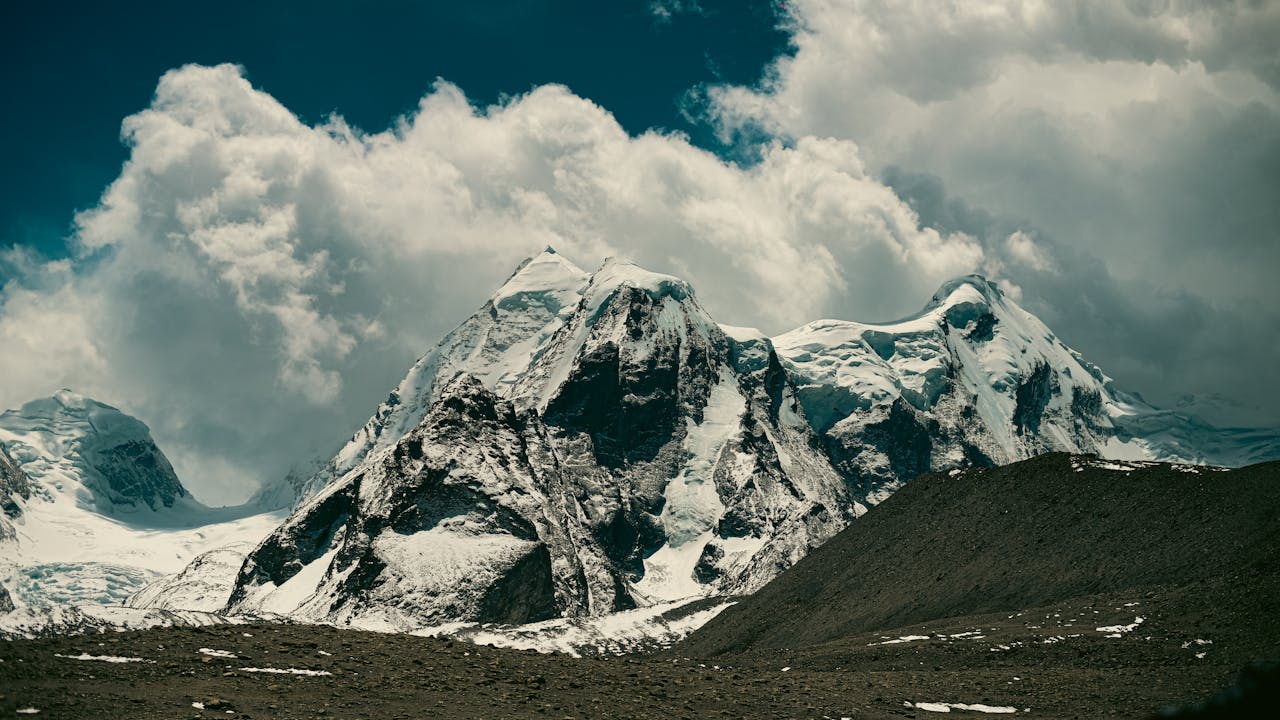
Sikkim is India’s smallest state and its most vertical. Everything here climbs: the roads, the monasteries, the prayer flags, your breath. Wedged between Nepal, Bhutan, Tibet, and West Bengal, Sikkim is India’s smallest state and arguably its most dramatic. In a single day, you can move from subtropical forests to alpine meadows to glacial lakes. The elevation shifts are staggering. The scenery is relentless.
Gangtok sits on a ridge at 5,500 feet with views of Kanchenjunga that stop conversations mid-sentence. The Rumtek Monastery carries relics brought out of Tibet during the Chinese occupation. Morning prayers here, butter lamps, chanting, incense, settle something deep inside you.
Go further north, and the world gets quieter. Yumthang Valley erupts in rhododendrons every spring. Zero Point at 15,300 feet is exactly what it sounds like: the end of the road, the beginning of Tibet, nothing but snow and sky. Gurudongmar Lake at 17,000 feet is one of the highest in the world and one of the most sacred, revered by Sikhs, Buddhists, and Hindus alike.
In the west, Pelling offers the most unobstructed view of Kanchenjunga from any town in India. Yuksom, where Sikkim’s first king was crowned in 1642, is the starting point for the Goecha La trek, one of the finest high-altitude trails on the planet.
Sikkim is also India’s first fully organic state. You taste the difference at every meal.
Tripura: Quiet, Royal, and Completely Overlooked
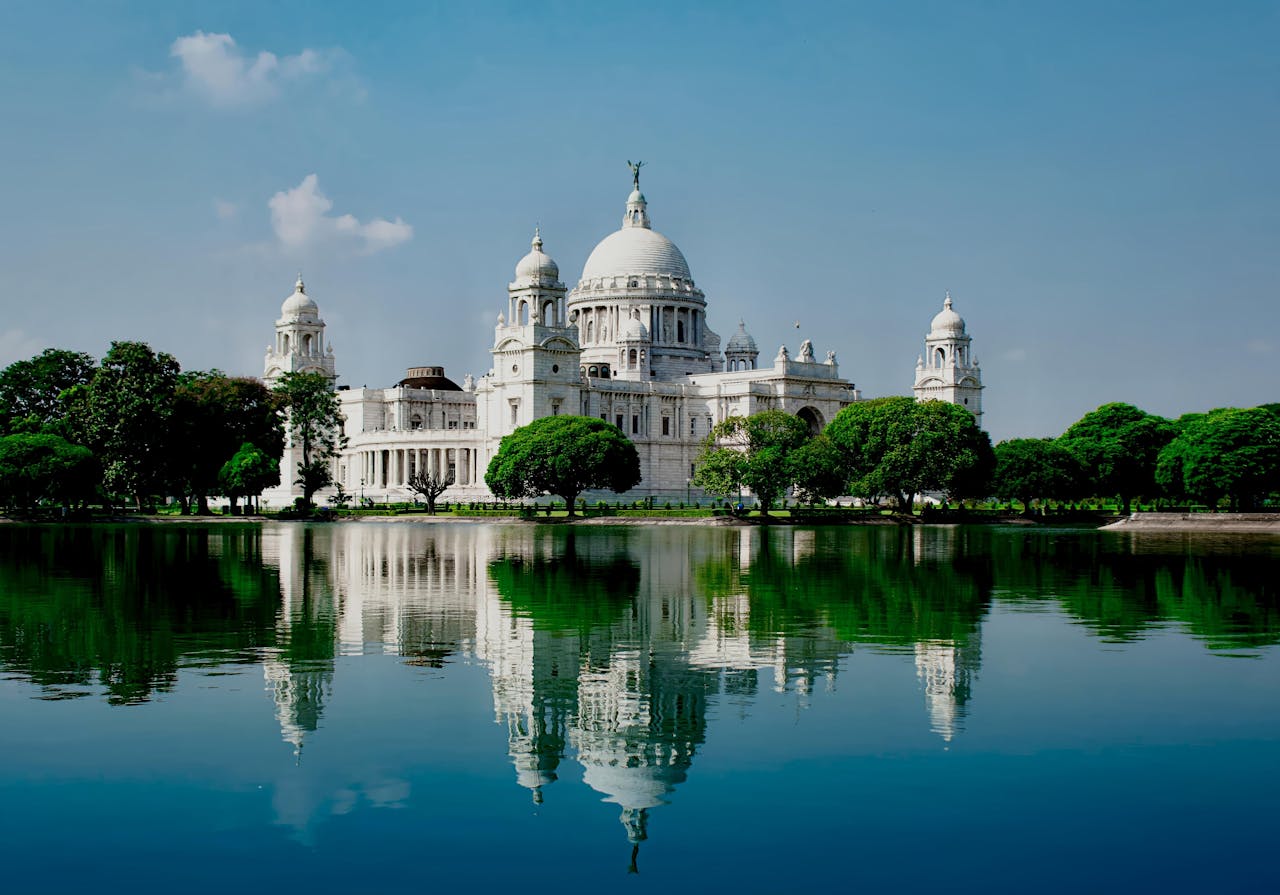
Tripura is surrounded on three sides by Bangladesh and on all sides by indifference from mainstream travel. That indifference is your gain.
This compact, overlooked state carries an unexpectedly rich history, a royal dynasty that ruled for centuries, temples that rival anything in Rajasthan in ambition, and a natural landscape that shifts from forests to wetlands to hills within hours. Tripura is not dramatic. It is quieter. Subtler. But it rewards attention in ways that louder places never do.
The capital Agartala holds the Ujjayanta Palace, a white-domed royal residence built in 1901, set in manicured gardens with artificial lakes on either side. It is grander than it has any right to be for a place this off the radar.
The real showstopper is Neermahal, a palace built entirely on a lake in 1930. Half Hindu, half Mughal in style, reachable only by boat. At golden hour, with the palace reflected in still water and birds circling overhead, it looks like something from a film set. Somehow, almost nobody comes here.
Unakoti, 180 kilometres north of Agartala, is perhaps the most underrated archaeological site in India. A forested hillside covered in rock-cut sculptures from the 7th century, including a Shiva head nearly 30 feet tall, carved straight into the rock face. No crowds. No noise. Just ancient art of staggering ambition in almost complete silence.
Practical Things Worth Knowing
-Getting there: Guwahati is the main entry point for the northeast India. From there, you can reach most states by road, rail, or short domestic flights. Airports exist in Dimapur, Imphal, Aizawl, Agartala, and Itanagar.
-Permits: Some areas, particularly in Arunachal Pradesh, require an Inner Line Permit (ILP), which is easy to obtain online. Foreign nationals need additional permits for certain regions. Always check before you travel.
-Best time to visit: October to April is generally ideal. The monsoon (June to September) is magnificent in Meghalaya, but it can make roads difficult elsewhere. Nagaland’s Hornbill Festival in December is a strong reason to visit in winter.
-Travel style: The northeast India rewards slow travel. Don’t plan to cover three states in five days. Pick one or two, stay longer, go deeper.
The Real Reason to Go
There’s a broader reason to visit the northeast India right now, beyond the waterfalls, wildlife, and festivals.
This region is changing. Infrastructure is improving. More travellers are discovering it. The window of experiencing it in its most authentic form, before it becomes another circuit destination, is open, but it won’t stay open forever.
The people of the north east India have preserved something rare: a way of living rooted in place, community, and nature. When you travel here with curiosity and respect, you don’t just witness that. You participate in it.
That is what travel, at its best, is always about.
Plan Your North East India Journey with Safar Travels
At Safar Travels, we firmly believe that the best trips are, without doubt, the ones that leave you entirely different from how you first arrived. Therefore, it comes as no surprise that North East India is, above all, not merely a checklist to tick off. Rather, it is a deeply transformative experience, and as a result, it deserves to be planned by people who truly and wholeheartedly understand it.
Moreover, whether you are dreaming of a peaceful week surrounded by Meghalaya’s mystical cloud forests, or whether you are, on the other hand, seeking the electrifying energy of a Hornbill Festival itinerary in Nagaland, we are here to make it happen. Similarly, if a serene tea estate retreat in the lush green valleys of Assam speaks to your soul, or if, furthermore, you are ready to embark on a complete and immersive North East India circuit, we can, consequently, help you plan every single detail properly and with great care.
In addition to this, our team does not simply put together a generic travel plan. Instead, we go above and beyond to craft an experience that is deeply personal, thoughtfully curated, and, most importantly, truly reflective of everything that makes North East India so extraordinarily special.
Get in touch with The Safar Travels today. Your safar begins here.
Subscribe for more such interesting stories,

